





Have you ever noticed that some chocolate feels slightly grainy or floury on the tongue? That texture is often a sign that vegetable fat has been added — most commonly palm oil.
The silky melt-in-your-mouth texture, gentle snap and natural sheen of traditional chocolate comes from cocoa butter, the natural fat found in cacao beans. As cocoa has become more expensive, some confectionery manufacturers have begun replacing part of that cocoa butter with cheaper fat substitutes, including palm oil.
Beyond texture and flavour, palm oil is high in saturated fats, and is contributing to deforestation and habitat loss for already endangered species such as the orangutan, pygmy elephant and Sumatran rhino.
Palm oil is especially common in filled and novelty chocolates (Easter, Christmas), where vegetable fats are used to create smooth centres and extend shelf life. Many well-known Easter chocolates — including products from Kit Kat, Lindor, Cadbury, Kinder, Ferrero and Mars — list “vegetable fat” or “vegetable oil” among their ingredients. You can be sure that it is palm oil, because if it was coconut or another more palatable oil, they would not hide it under the generic “vegetable fat” name.
Choosing palm oil-free chocolate is a simple way to support better ingredient transparency and more thoughtful chocolate making. At Biome, all chocolate is selected without dairy or palm oil, and the sections below explain how to identify palm oil-free options when shopping more widely.
What’s wrong with palm oil?
Look at the sweet face of an orangutan and one thing comes to mind. How can we ever purchase products with palm oil that is causing their forest home to be destroyed?
Global chocolate brands like Nestlé, Cadbury, Mars, Ferrero and Lindt are not taking enough action to ensure their palm oil supply chains are free from harm. Many large chocolate brands continue to rely on palm oil supply chains that lack full transparency. While sustainability commitments exist on paper, real-world impacts remain difficult to trace and verify.
Palm oil cultivation is a major driver of deforestation in Indonesia and Malaysia, disrupting ecosystems, displacing wildlife and contributing to climate change when precious carbon-rich forests are cleared and burned — which affects us all.

Is there palm oil hiding in my Easter chocolate?
At Easter, chocolate sales increase dramatically for the big chocolate companies. To meet demand while keeping costs down, cocoa butter alternatives such as palm oil and shea butter are often used in both the chocolate shell and fillings.
Chocolate begins with the Theobroma cacao tree, native to South America.
- Cacao refers to raw forms (nibs, powder)
- Cocoa refers to roasted and processed forms (powder, cocoa butter)
The ingredients in genuine chocolate are meant to be only cocoa mass (or cocoa liquor), mixed with fat from cocoa butter, sugar, and sometimes milk or plant-based milk.
Cocoa butter is what gives chocolate its structure, shine and clean snap. When cocoa butter is partially replaced with vegetable fats, the result is often what’s known as compound chocolate — a product that looks similar, but behaves and tastes differently.
Under international food standards set by the Codex Alimentarius Commission, chocolate may contain up to 5% vegetable fats other than cocoa butter. When this happens, the product must clearly state that it “contains vegetable fats in addition to cocoa butter”.
In practice, that disclosure is often easy to miss.
Which Easter eggs contain palm oil?
After reviewing Easter chocolates stocked by major supermarkets, a consistent trend appears: filled eggs are the most likely to contain palm oil.
Many well-known Easter products list “vegetable fat” or “vegetable oil” in their ingredients — terms that almost always indicate palm oil when no specific source is named.
Examples spotted in recent Easter ranges include:
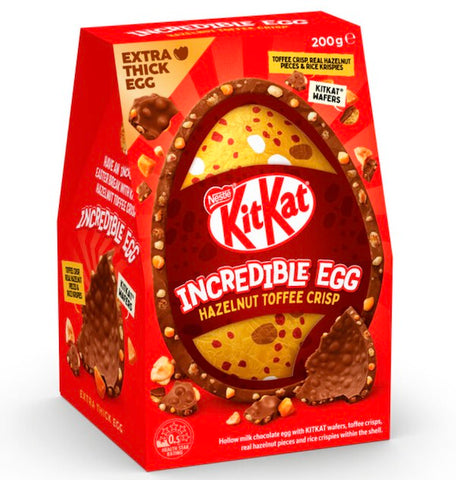
Nestlé Kit Kat Easter Egg
Ingredients: Sugar, Milk Solids, Cocoa Butter, Cocoa Mass, Vegetable Fats, Whey Powder, Emulsifier (Soy Lecithin), Flavour, Roasted Hazelnuts (6%), Cereal and Wafer Pieces (5%) [Rice Flour, Wheat Flour, Sugar, Whey Protein Concentrate (Milk), Raising Agent (500), Vegetable Oil, Salt].
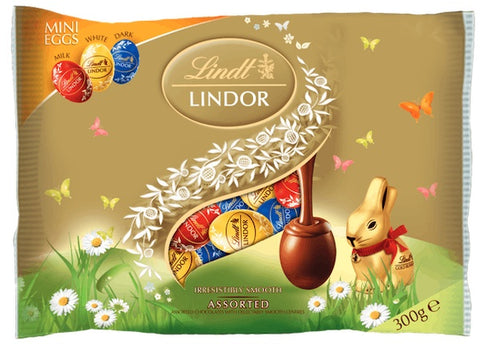
Lindt Lindor Mini Eggs
Ingredients: Sugar, Vegetable Fats, Cocoa Butter, Whole Milk Powder, Cocoa Mass, Lactose, Skim Milk Powder, Milk Fat, Emulsifier (Soy Lecithin), Barley Malt Extract, Flavourings.
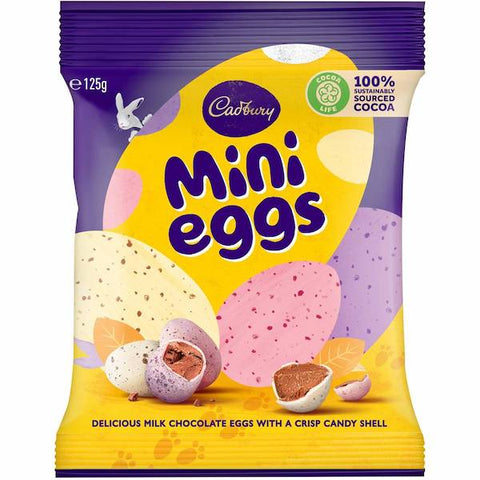
Cadbury Mini Eggs
Ingredients: Sugar, Milk Solids, Cocoa Butter, Cocoa Mass, Vegetable Oil, Vegetable Fat, Modified Starch, Emulsifiers (442, 476), Flavours, Maltodextrin, Colours (163, 162, 160a, 160c).
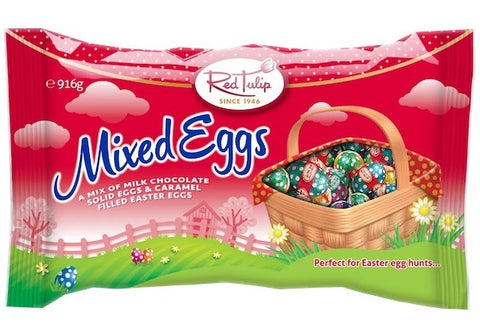
Red Tulip Mini Eggs
Ingredients: Sugar, Glucose Syrup, Milk Solids, Cocoa Butter, Cocoa Mass, Sweetened Condensed Milk (Milk, Sugar), Vegetable Fat, Invert Sugar, Emulsifiers (Soy Lecithin, 476, 471), Acidity Regulator (331), Flavours, Salt.
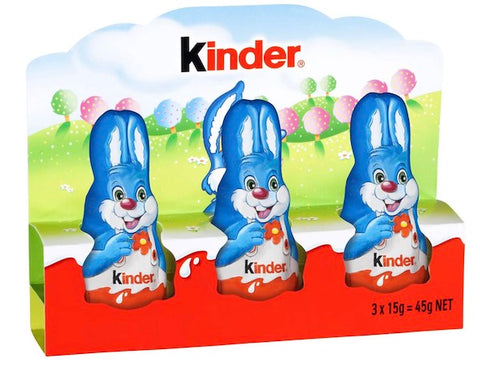
Kinder Surprise range
Ingredients: Sugar, Milk Powder, Cocoa Butter, Cocoa Mass, Emulsifier (Lecithins (Soy)), Flavouring (Vanillin), Skim Milk Powder, Sugar, Vegetable Fats (Palm, Shea), Anhydrous Milkfat, Emulsifier, Flavouring.
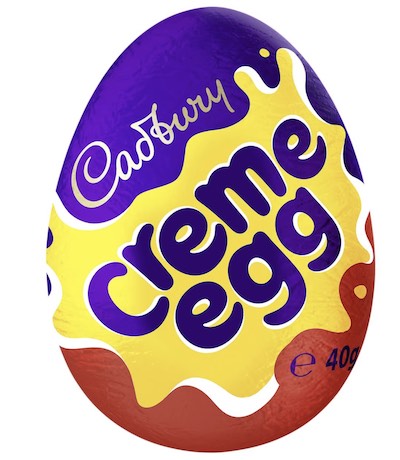
Cadbury Creme Egg
Ingredients: Sugar, Milk Solids, Wheat Glucose Syrup, Cocoa Butter, Cocoa Mass, Invert Sugar, Vegetable Oil, Emulsifiers (442, Soy Lecithin), Egg Albumen, Flavours, Colour (160c).
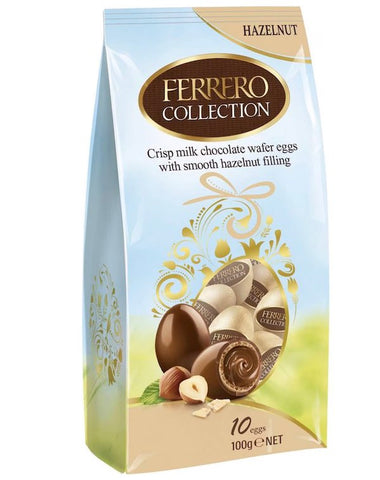
Ferrero Easter Eggs
Ingredients: Sugar, Milk Powder, Cocoa Butter, Cocoa Mass, Emulsifier (Soy Lecithin), Vegetable Oil (Palm), Hazelnuts (9.5%), Whey Powder, Wheat Flour, Fat-Reduced Cocoa Powder, Milk Powder.
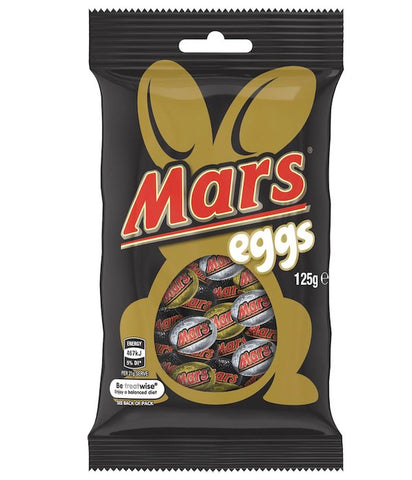
Mars Mini Eggs
Ingredients: Sugar, Milk Solids, Cocoa Butter, Glucose Syrup (Sources Include Wheat), Cocoa Mass, Vegetable Fat, Emulsifier (Soy Lecithin), Dextrose (Sources Include Wheat), Salt, Flavours.
It’s worth noting that plain hollow chocolate shapes — such as bunnies or solid eggs — are less likely to contain palm oil than filled or cream-centred chocolates. In some cases, consumer feedback has also led to ingredient changes. In 2009, Cadbury removed palm oil from parts of its chocolate range following strong consumer feedback in Australia and New Zealand.

How to avoid palm oil in Easter chocolates
Keeping it simple, avoiding products that list “vegetable fat” or “Vegetable oil” is a good place to start. There may be palm oil–derived ingredients in emulsifiers, but that can be difficult to judge. If either appears without a specific source (like coconut), it is almost always palm oil.
A traditional milk chocolate ingredients list will usually look something like:
Sugar, cocoa mass, milk solids, cocoa butter, emulsifier, flavour.
A good quality dark or vegan chocolate is often even simpler:
Cocoa mass, sugar, cocoa butter, flavour.
Creamy fillings and smooth centres are where palm oil most commonly appears. Except of course hand-made beauties like Loco Love whose divine ganache-like centres are vegan and palm oil free!

Where to find palm oil free chocolate this Easter
At Biome, Easter chocolate is selected with careful attention to ingredients, sourcing and impact. Our chocolate range is entirely palm oil-free and dairy-free, with many options made in Australia by smaller producers, alongside a generous selection of gluten free chocolate.

Some supermarket Easter products appear to be free from added vegetable fats, assuming no palm oil is present in emulsifiers. Examples seen in recent ranges:

As always, ingredient lists can change year to year, so checking remains important.
Related Reads
Our Favourite Gluten Free and Dairy Free Chocolates
Easy Homemade Vegan Chocolate Recipe
A Thoughtful Guide To Vegan and Ethical Chocolate in Australia
References
https://www.worldwildlife.org/pages/which-everyday-products-contain-palm-oil
https://www.sbs.com.au/news/palm-oil-the-hidden-surprise-in-easter-eggs
http://www.businessinsider.com/r-as-cocoa-price-soars-chocolate-makers-devour-substitutes-2014-9?IR=T
https://www.confectionerynews.com/Article/2014/04/15/Cocoa-butter-alternatives-set-for-boost-Euromonitor