





Blog last updated in April 2026 to reflect the latest research on microplastics and product choice.
Have you noticed how many disposable plastic salt, pepper and spice grinders are on supermarket shelves these days? They dominate the condiments section, tempting you to add extra flavour to your meals.
But the convenience of these devices comes at a cost—to the environment, your health, and your wallet!
Disposable plastic salt and pepper mills are a relatively new phenomenon. Since appearing in the early 2000s, they have become more and more popular. Unfortunately, they are deliberately non-refillable, single-use grinders—and the fact they are not refillable is often not made obvious on the packaging!
Let's dive into why these grinders are a problem.
Why do people buy disposable grinders?
All the world, we love freshly ground salt and pepper. It retains more of the natural oils and has a more intense and complex taste than pre-ground options.
The disposable grinders offer an all-in-one, convenient solution. But is it really that much harder to refill a grinder?
Many consumers also think these products are cheap and affordable, but it turns out this is false economy and we'll show you why.
Are disposable grinders more expensive?
We checked the disposable grinders on the supermarket shelves and prices ranged from $3.50 to $5.50.
However, this is a false economy.
If you compare the price per gram, you are paying significantly more:
-
Disposable grinder: ~ $0.08 per gram
-
Bulk peppercorns: ~ $0.012 per gram
→ That’s almost 7 times more expensive.
So while they look inexpensive, they cost far more over time.
Are disposable salt and pepper grinders recyclable?
In most cases, no.
Disposable grinders are made from mixed materials—plastic, glass, and small components—that are difficult to separate. Even if you could take them apart, many of the plastic parts are too small or made from materials that are not recyclable in Australia.
What grinds me is that we’re throwing chunks of plastic and glass in the rubbish because we can’t easily separate the parts—and even if we could, the plastic bits are too small to recycle.
Can disposable grinders add microplastics to food?
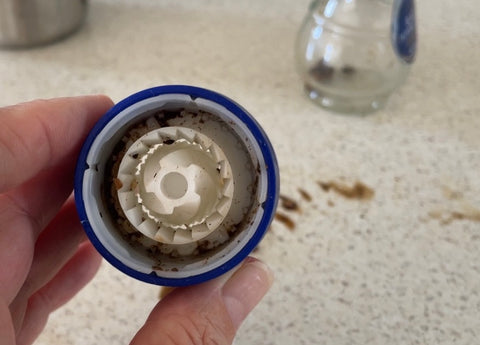
Potentially, yes.
One of the concerns with disposable plastic grinders is that the grinding mechanism is usually made from plastic. Over time, friction from grinding salt crystals or peppercorns may cause tiny particles of plastic to wear off into your food.
More broadly, research from the University of Newcastle suggests that the average person could be consuming up to 5 grams of plastic per week—about the weight of a credit card. Disposable grinders may contribute to this exposure.
Another factor is the origin and packaging of the salt and pepper itself.
Many disposable grinders contain products sourced from overseas and packed in multiple locations. This means they travel long distances and undergo multiple handling processes before reaching your table.
During this journey, they may be exposed to contamination from plastic packaging or machinery.
For example, Saxa Pepper Black Peppercorn Grinder is packed in Italy using peppercorns sourced from various countries (not specified on the label). Coles Whole Black Pepper Grinder is packed in India using peppercorns sourced from Vietnam (also not specified on the label). Both products use plastic grinders that are not recyclable in Australia.
When were salt and pepper grinders invented?
Salt and pepper grinders have a long history.
Early versions were based on mortar and pestle designs. The modern pepper grinder was developed by Peugeot in 1842.
Since then, grinders have evolved into the durable, refillable tools we still use today—making the rise of disposable versions feel like a step backwards.
What is a better alternative to disposable grinders?
So what can we do to avoid these problems? The best solution is to stop buying disposable plastic salt and pepper grinders altogether and switch to more sustainable alternatives.
Better alternatives:
- Refillable grinders made from glass, stainless steel, or wooden grinders
- Buy salt and pepper in bulk or refill packs
- Use a mortar and pestle if you prefer a traditional method
- Use salt flakes instead as there is no need for grinder
What to look for in a good grinder:

→ SALT: Ceramic mechanism
→ PEPPER: Carbon steel mechanism
“Last for life” quality construction.
Salt & Pepper Mill choices available at Biome
Sands Made - Australian made wooden grinders or mills
Cole and Mason- a British company producing salt and pepper mills since 1946
What is the best salt and pepper to use in a grinder?
Grinders work best with hard, dry ingredients.
- For salt: use coarse, dry sea salt crystals or rock salt
- For pepper: use whole black peppercorns
Softer options like salt flakes or pepperberries are better used as a finishing touch, rather than in a grinder, as they can clog or damage the mechanism.
Are disposable grinders worth it?
No—for most people, refillable grinders offer better value, far less waste, and better flavour.
Disposable salt and pepper grinders may seem convenient, but:
- They are designed for single use
- They are difficult or impossible to recycle
- They cost you significantly more over time
- They can contribute to microplastics exposure
Think twice before you reach for that disposable grinder. By making the switch, you’re not only enhancing your food—you’re making a better choice for your health, your wallet, and the environment.
Discover more at Biome
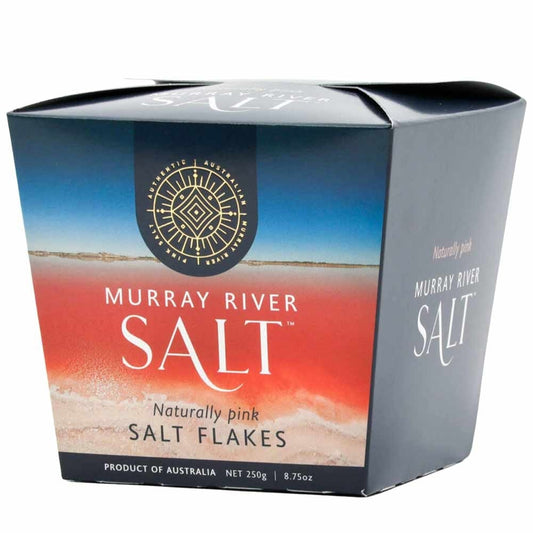
Sea salts and salt flakes are better used as finishing salts where their texture and flavour really shine - like Tasman Sea Salt or Murray River Salt flakes.
Australian native pepper berries are best simply crushed in the hand.
Frequently Asked Questions
Are disposable salt and pepper grinders bad?
Yes, because they are typically non-recyclable, significantly more expensive over time, and likely contribute to microplastic exposure. Refillable grinders are a more sustainable and cost-effective alternative.
Are disposable salt and pepper grinders recyclable?
Most disposable grinders are not recyclable in Australia. They are made from a mix of materials—plastic, glass and metal components—that are difficult to separate. Even if you could take them apart, many of the plastic pieces are too small or made from materials that aren’t accepted in recycling systems.
Are disposable grinders more expensive?
Yes—although they seem cheap upfront, they are a false economy. When you compare the price per gram, disposable grinders can cost several times more than buying salt or pepper in bulk and refilling your own grinder.
Can plastic grinders contaminate food with microplastics?
There is growing concern about consuming microplastics in our food. In disposable grinders, the grinding mechanism is often made from plastic, which may wear down over time with use, especially with hard peppercorns and coarse salt.