





The truth about “barrier boosting” skincare
Barrier creams were once only smeared on baby bottoms, but are now one of the latest buzzwords on beauty counters. But what does barrier really mean — and do you actually need one on your face?
Traditionally, a barrier cream sat on top of the skin to create a physical shield to both block air, bacteria and irritants getting in, and stop moisture getting out. Think of zinc oxide nappy rash cream: thick, whitish, water-resistant, and designed to stop wetness and urine from damaging baby's fragile skin.
Today, however, I see many modern skincare brands stretching the definition with a buzz term to help their product stand out in a very crowded marketplace.
Products marketed as “barrier creams” for face care are often just rich moisturisers or hydrating gels. They may use the language of barrier repair or support, but instead of forming a protective shield, they offer hydration, soft emollients, or film-forming agents that make the skin feel smooth.
The types of barrier creams
1. Traditional barrier cream
A physical, occlusive protective layer against moisture loss and irritants (e.g., zinc oxide nappy cream or bottom balms).
If you look at conventional baby creams like QV, Sudocrem, or Bepanthen, the common ingredients are petrolatum or paraffin, zinc oxide, and lanolin. These occlusive ingredients are the workhorses that form a film over the skin, keeping irritants away.
2. Heavy dermatology-style balms
Thick ointments with paraffin or petrolatum, microcrystalline wax and silicones, designed to form seal on the skin e.g. Vaseline, CeraVe Repair Balm.
3. Cosmetic “barrier creams”
Moisturisers dressed up with the “barrier” label. They hydrate and soften but don’t provide the protective seal of traditional occlusives. Most are also based on petroleum-derived synthetic ingredients.
In short: when you see barrier cream on a label today, it could mean anything from a heavy-duty ointment to a lightweight water gel.
If you're exploring barrier creams for baby care, you might also find our guide to natural nappy rash creams helpful.
Do adults really need a heavy-duty barrier cream?
This is where marketing and reality often part ways. A thick, occlusive barrier cream is fantastic for protecting skin in specific situations:
- Babies in nappies (constant exposure to wetness)
- Adults with occupational exposure (nurses washing hands all day, cleaners using harsh products, hairdressers, swimmers in chlorine, tradespeople)
- Skin under stress (irritated patches, cracked heels, very dry hands in winter, outdoor sports). Many adults use zinc oxide barrier creams / baby nappy rash cream on parts of their body that are not as visible as the face for chafing, eczema, rashes, irritated skin.
But for the average adult face, a heavy face barrier cream isn’t usually necessary. Many conventional barrier creams rely on petrolatum, which can feel greasy, suffocating, and out of step with a natural lifestyle. And zinc oxide leaves a whitish cast that most people don’t want on their face.
Read more here > 10 Ways Adults Find Baby Barrier Creams Useful Too

What’s better for skin barrier support on your face?
For most adults, maintaining a healthy skin barrier is less about creating a heavy film and more about supporting the skin’s natural resilience with simple, closer-to-nature ingredients:
- Face moisturisers with plant-based humectants (like glycerin or aloe vera) to attract water.
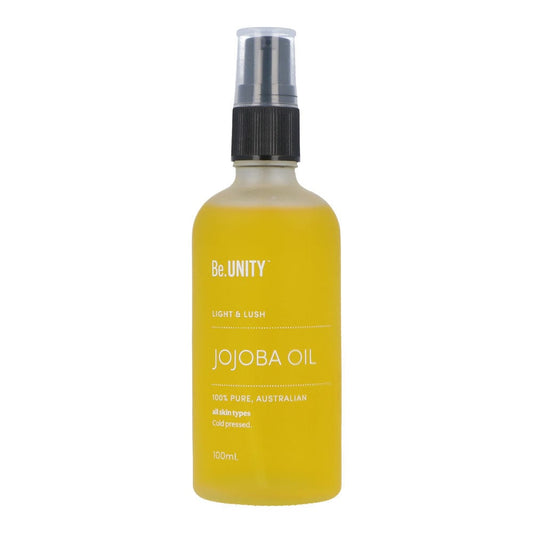
- Pure plant oils like jojoba oil, apricot kernel, sunflower, or rosehip to replenish fatty acids.
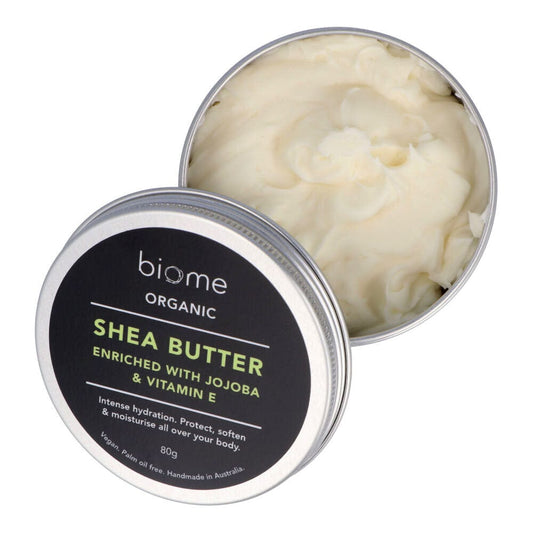
- Botanical butters (shea or cocoa) for a soft, protective layer that reduces moisture loss.
Which barrier creams are worth using?
Barrier creams are brilliant in specific situations — babies, hands in harsh conditions, or extremely dry patches. But for everyday face care, your skin will usually thank you for lighter, plant-based moisturisers, oils, and botanicals. For babies, pair with plastic free wipes and plastic free nappies.
✨ When you do need a true protective barrier, keep it natural. Reach for castor oil-based petroleum-free barrier creams.
At Biome, we’ve gone back to basics with two natural alternatives:
 |
CastorBub — combines castor oil, hydrogenated castor oil, shea butter, apricot kernel oil, carnauba and candelilla waxes, zinc oxide, and natural vitamin E. It creates a true barrier without petrochemicals. |
 |
CastorGuard — for those who want deep protection without the white of zinc oxide. This balm blends castor oil, hydrogenated castor oil, and carnauba wax to provide a breathable barrier, while also nourishing your skin. |
FAQs: About Barrier Creams
Do I need a barrier cream for my face?
For most people, a heavy barrier cream isn’t necessary for everyday facial care. The skin on the face generally benefits more from lighter moisturisers and plant oils that support hydration without creating a thick film. Barrier creams can still be useful in specific situations — such as protecting irritated areas, dry patches, or skin exposed to harsh conditions — but they’re not typically part of a daily facial routine.
Are “barrier repair” creams the same as barrier creams?
Not always. Many products marketed as “barrier repair” creams are actually moisturisers designed to hydrate and support the skin’s appearance, rather than create a true protective barrier. While they can be beneficial, they don’t usually offer the same level of physical protection as traditional barrier creams.
When should I use a barrier cream?
Barrier creams are most useful when the skin needs protection from external stress — such as moisture, friction, or repeated exposure to irritants. This includes nappy rash in babies, very dry or cracked skin, chafing, or hands exposed to frequent washing or cleaning products. In these situations, a protective layer can help support the skin while it recovers.
What’s a more natural alternative to conventional barrier creams?
For those looking to avoid petroleum-based ingredients, barrier creams made with plant oils and waxes offer a gentler alternative. Ingredients like castor oil, shea butter and natural waxes can still create a protective layer, while aligning more closely with a low-tox, skin-friendly approach.