





Originally published December 2023, updated July 2026.
Quick answer: How can you wash clothes without plastic and harmful ingredients?
Most everyday washing can be done with less detergent and simpler products than we're often led to believe. Washing full loads, trying soapberries, choosing a concentrated detergent packaged without plastic, treating stains naturally, making your own laundry detergent and using white vinegar instead of conventional fabric softener are all simple ways to reduce plastic and unnecessary ingredients in your laundry.
Doing the laundry is thankfully easier thanks to modern washing machines. But we are also discovering that many old-fashioned washing habits created a healthier, minimal-plastic laundry that was better for our clothes, our homes and the environment.
The marketing strategies of laundry detergent brands, whether they sell liquid, powder, pods or detergent sheets, have convinced us that we need complicated ingredients to wash our clothes, such as enzymes, optical brighteners, fragrances and colour protectors.
They also convince us that more detergent means more cleaning power, when in fact the product is often bulked out with unnecessary fillers. Or that we need different detergents for different types of fabrics and stains.
In reality, most everyday washing can be done with much simpler products and often less detergent than we're led to believe.
What about laundry sheets and pods?
Single-use laundry sheets have been promoted as an environmentally friendly option, despite many being made with polyvinyl alcohol, or PVA, a petroleum-derived plastic designed to dissolve in water. Laundry pods commonly use the same dissolvable PVA film around concentrated detergent.
These claims are mostly exaggerated or false, and are designed to make us buy more products and spend more money. In reality, most of these ingredients are unnecessary or harmful, and we can achieve the same or better results with less detergent or natural alternatives, such as making your own!
Read: Are laundry sheets and dishwasher sheets eco friendly?
Here are practical ways to keep your clothes clean with less plastic and fewer complex ingredients.
1. Plain old water, agitation and sunshine!
Did you know that much of the cleaning power when washing clothes comes from water and agitation, not laundry detergent?
Water naturally dissolves and removes dirt, stains and odours, while the movement and agitation of the washing machine helps loosen and rinse them away.
Laundry detergents can be unnecessary, containing excessive ingredients that can harm your health and the environment. You only need a small amount of detergent, or sometimes none at all, to get your clothes clean and fresh. Using more than the recommended amount does not necessarily create a better wash and can leave residue on fabrics and inside your machine.
Try using simpler solutions, washing full loads, using less detergent, or making your own natural laundry liquid or powder. You'll save money, protect your skin, reduce waste and unnecessary ingredients, and lower your environmental impact.
Drying your clothes in sunshine or fresh air is one of the simplest ways to naturally freshen them. Air drying also reduces energy use and is gentler on many fabrics.
2. Try soapberries or soap nuts
How cool are these soapy goodies from nature? Also called soap nuts, although they are not actually nuts, soapberries are the dried shell of fruit from the Sapindus tree. The shells are naturally high in saponin, which creates a gentle cleansing action in water. This laundry detergent provided by Mother Nature can also be used as a fabric softener or all-purpose liquid soap.
Soapberries provide a completely plastic-free laundry, packaged in a reusable calico bag with almost zero processing or packaging. They are fully compostable, biodegradable, chemical free, grey water safe and septic safe. The berries can be reused several times before being composted. What a natural, healthy way to launder your clothes!
They are a simple option for lightly to moderately soiled everyday washing and can be especially useful for people who prefer a fragrance-free laundry routine. For heavily soiled workwear, greasy stains or very dirty loads, you may find that a concentrated laundry detergent and a separate stain treatment give a stronger result.

Organic soapberries
Best for: Lightly to moderately soiled everyday washing.
Why it stands out: The shells can be reused several times before being composted and come in a reusable calico bag.
3. Laundry liquid packaged without plastic
One of the easiest ways to reduce plastic in your laundry is to stop buying large bottles of liquid detergent that are mostly water.
Our Biome Laundry Liquid Concentrate Bar lets you make your own laundry liquid at home. Simply dissolve the bar in water to make four litres of detergent and reuse a bottle or dispenser you already have.
By adding the water yourself, you're not paying to transport litres of water or bringing home another plastic detergent bottle each time you need more.
It is suitable for everyday washing and is:
- Palm oil free
- Free from synthetic fragrance
- Free from petrochemical ingredients
- Biodegradable and septic safe
- Available in scented and unscented options
- Designed to be mixed in a reused jar, bottle or dispenser
A great plastic-free laundry detergent solution!

Biome Laundry Liquid Concentrate Bar
Best for: Replacing bottled everyday laundry liquid.
Why it stands out: One compact bar makes four litres of laundry liquid at home, allowing you to reuse a container you already own.
4. Use a natural stain remover bar
Do you ever get the sneaking suspicion that spraying normal stain remover is just applying toxins to your garments? You would be correct. Anything that has “Danger” or “Poison” on the label means exactly that – it is a dangerous poison not only for humans but for the whole ecosystem once it's washed down the drain. However, there are alternatives like these that tick all the planet and health saving boxes. Another great plastic-free laundry solution!
A stain remover bar allows you to treat the small area that needs attention instead of rewashing the entire garment or reaching for a heavily fragranced spray in a plastic bottle.

Natural stain remover bars
Best for: Treating stains without a plastic spray bottle.
Why it stands out: A solid bar targets the area that needs attention and can help avoid unnecessarily rewashing the whole garment.
5. Make your own laundry detergent
Making laundry detergent at home gives you control over the ingredients and allows you to reuse the same storage container.
Find our homemade laundry liquid and powder recipes here >
As part of making your own, essential oils are great to use as a natural fragrance and disinfectant. Essential oils are concentrated extracts from plants that have various aromatherapeutic and antibacterial properties.
You can add a few drops of your favourite essential oils to your homemade laundry liquid or powder, or to the rinse cycle of your washing machine, to give your clothes a pleasant scent and kill germs. Some of the best essential oils for laundry are lavender, lemon, eucalyptus, tea tree, and peppermint.
6. Use white vinegar instead of fabric softener
White vinegar is a cheap, simple and eco-friendly alternative to conventional fabric softeners, which are sold in plastic bottles and often contain harmful chemicals and plastic microfibers.
Vinegar can help remove odours, brighten colours, and prevent static cling. Just add half a cup of white vinegar to the rinse cycle of your washing machine, or soak your clothes in a bucket of water with vinegar before washing.
Of course, white vinegar is almost always packaged in a plastic bottle, though you can find some places that do bulk refills.
Bonus: Dry your clothes with less plastic
Once your washing is done, there are a few simple swaps that can reduce plastic in the rest of your laundry routine.
Air drying outdoors when possible uses no electricity, is gentler on many fabrics and avoids disposable dryer sheets altogether. If you do use a dryer, reusable wool dryer balls help separate clothes as they tumble, allowing warm air to circulate more freely through the load.
Plastic pegs and hanging racks can become brittle, crack and break over time. Stainless steel pegs and sock hangers are durable alternatives designed to last for many years with proper care.
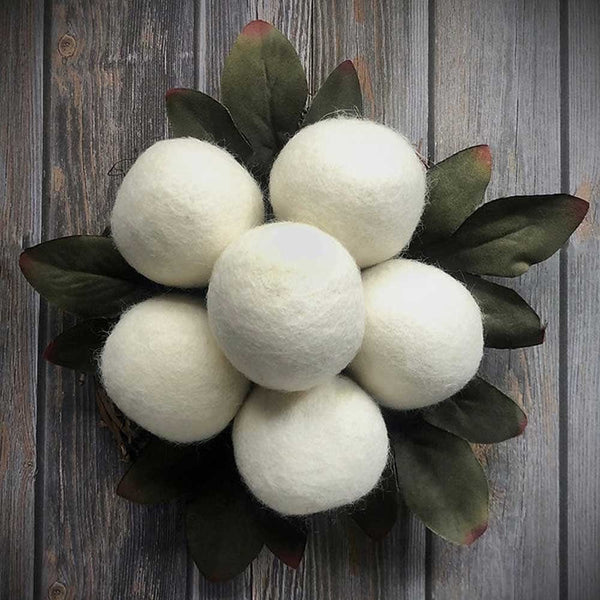
Lil' Bit NZ Merino Wool Dryer Balls
Best for: Replacing disposable dryer sheets.
Why they stand out: The reusable wool balls help create space between clothes as they tumble and come in a cotton storage bag.
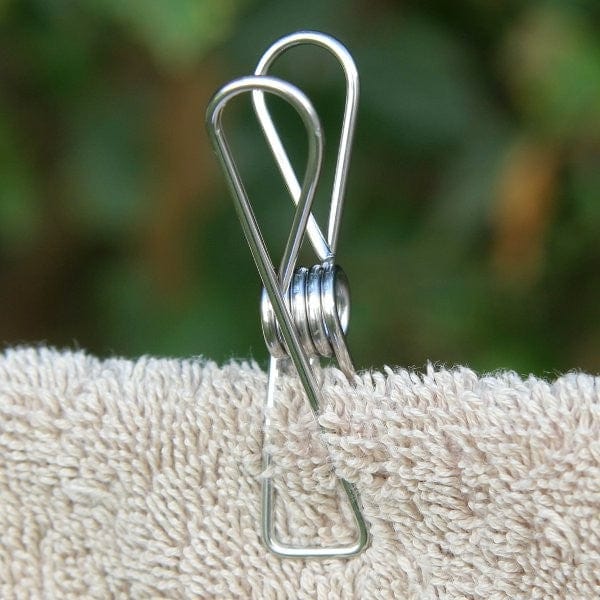
Stainless steel clothes pegs
Best for: Replacing plastic pegs that become brittle and break.
Why they stand out: Different grades and strengths are available to suit everyday, windy and coastal conditions.
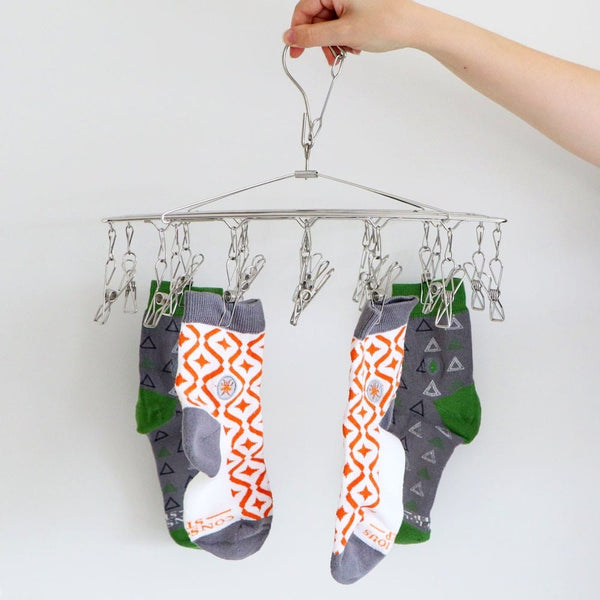
Stainless Steel Sock Hanger
Best for: Drying socks, underwear, baby clothes and other small items.
Why it stands out: It replaces brittle plastic hanging racks and keeps small items together in a compact space.
Ready to reduce plastic in your laundry?
Start with one product you replace regularly, whether that is bottled detergent, plastic pegs, dryer sheets or disposable lint rollers. Biome's laundry range brings together concentrated detergents, reusable drying accessories and natural fabric-care tools designed to be used again and again.
Frequently asked questions
What is the most plastic-free way to wash clothes?
Use a concentrated detergent packaged without a plastic bottle or try soapberries for suitable everyday loads. Wash full loads, treat stains directly and avoid laundry sheets, pods and synthetic fabric softener.
Are laundry sheets plastic free?
Many are not. Laundry sheets commonly contain polyvinyl alcohol, or PVA, a petroleum-derived synthetic polymer that dissolves in the wash.
Can I use less laundry detergent?
Often, yes. Follow the recommended dose for your machine, water hardness and load size. Using more than directed can leave detergent residue without producing a cleaner wash.
Is vinegar a good fabric softener?
White vinegar can help reduce detergent residue and freshen fabrics. Check your washing machine instructions before using it regularly, as it may not be recommended for every appliance.
Do wool dryer balls work?
Wool dryer balls separate clothes as they tumble, allowing warm air to move more freely through the load. This may reduce tangling and drying time while replacing disposable dryer sheets.
How can I reduce microplastics when washing clothes?
Wash synthetic garments less frequently, spot clean when possible, use a gentle cycle, wash full loads, air dry and choose durable natural fibres when replacing clothing.
Related Reads
Are laundry sheets and dishwasher sheets eco friendly?