





If water from your washing machine, shower or bath is being reused on the garden, whatever you wash with ends up there too. That includes laundry detergent, stain treatments, bathroom cleaner and anything else rinsed down the drain.
You do not need to stop using effective cleaning products, but it is worth checking that they are suitable for greywater reuse. Some ingredients can leave behind salts that build up in the soil over time, while a product that is septic safe may not necessarily be greywater safe.
Here is what to look for, which Biome products are suitable and what you need to know before using oxygen bleach.
Quick answer: What cleaning products are greywater safe?
For water that will go onto the garden, look for biodegradable formulas that are low in sodium or salts, phosphorus and boron. Choose finished products that clearly state they are greywater safe and use the recommended amount.
At Biome, greywater-safe options include Euclove Laundry Detergent, organic soap berries, Kin Kin Stain Remover & Soaker and selected Euclove and Lil’ Bit surface cleaners.
What is greywater, and what does greywater safe mean?
Greywater is wastewater from showers, baths, bathroom basins and laundries that may be reused on the garden. It does not include toilet water, and Australian guidance generally excludes kitchen and dishwasher water.
A greywater-safe cleaner is suitable for this reuse when measured and used as directed. Look for a clear greywater-safe statement, biodegradable ingredients and low levels of sodium, phosphorus and boron.
“Natural” and “biodegradable” do not automatically mean greywater safe. Salts can remain in the water and build up in soil over time, so the formula, dose and frequency matter.
Greywater safe is also different from septic safe. A product can suit a septic system but not water being reused on plants. Check your local greywater rules and the instructions for your system.
Does your home use a septic system? Read which laundry detergents and bathroom cleaners are septic safe in Australia.
Is oxygen bleach greywater safe?
Biome’s Naturally Better Oxygen Bleach is not recommended for greywater that is regularly reused on the garden. It is concentrated sodium percarbonate and is labelled not greywater safe because of its high salt content.
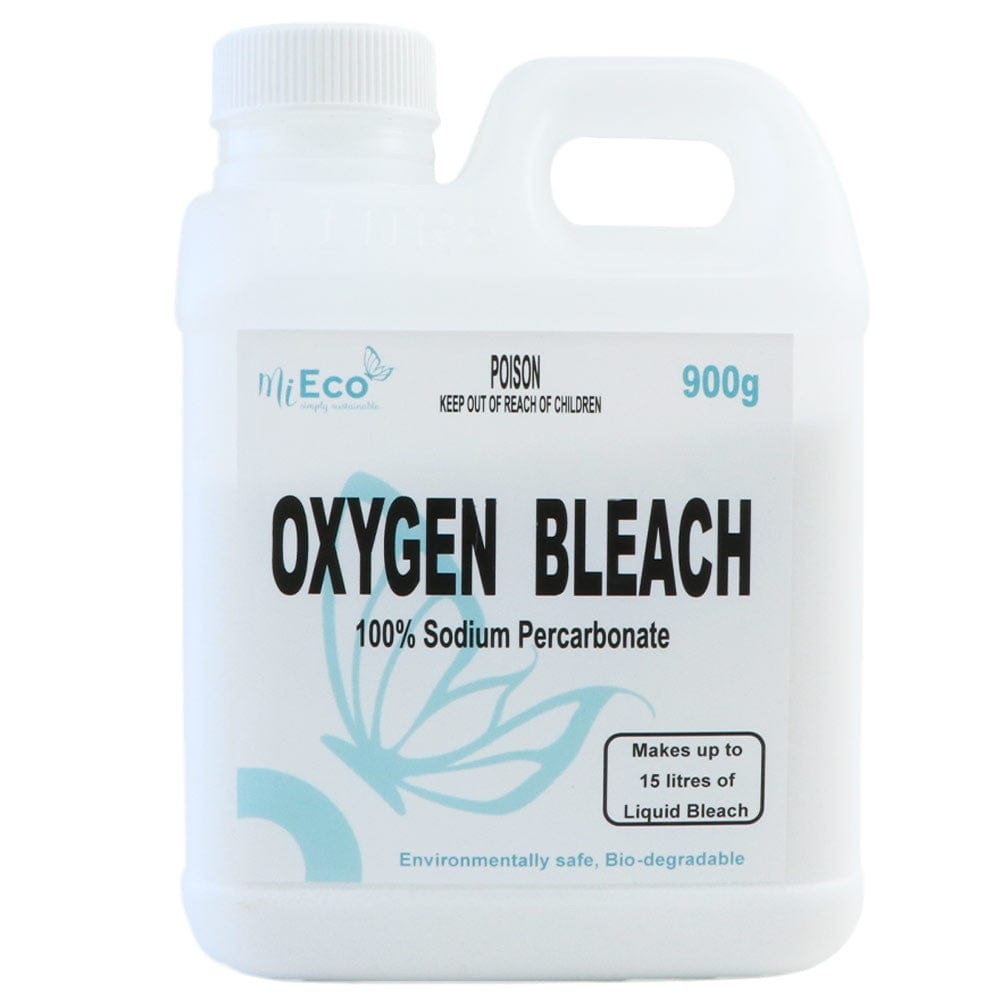
Naturally Better Oxygen Bleach
For occasional stain treatment. Septic safe, but not recommended for regular greywater reuse. Divert that wash water away from the garden where possible.
When sodium percarbonate is mixed with water, it releases oxygen and leaves behind sodium carbonate, also called washing soda. This remains dissolved in the wash water and can add sodium to the soil.
One diluted load will not automatically harm your garden. The effect depends on the amount used, how often it is used, the soil and the plants. The concern is repeated use, particularly in clay soils where sodium can affect soil structure over time.
If you use oxygen bleach occasionally, divert that load away from the garden where possible. For regular greywater reuse, choose a finished laundry product specifically labelled greywater safe.
Which laundry detergents are greywater safe?
Laundry water is one of the easiest household sources to reuse, but detergent goes with it. Choose a product that specifically says it is greywater safe, measure each dose and use the diversion or bypass setting when washing anything heavily soiled.

Euclove Laundry Detergent
A concentrated liquid for hot or cold washes, front or top loaders, and septic or greywater systems.

Organic soap berries
A simple, reusable laundry option that is greywater and septic safe. Compost the spent shells after several loads.
Explore natural laundry detergents at Biome →
What can you use on stains when reusing laundry water?
Stains are often where greywater routines get confusing. You can still use an effective stain treatment—just check whether the product is labelled greywater safe or divert that particular load away from the garden. For smaller marks, treating only the affected area also avoids using more product than necessary.
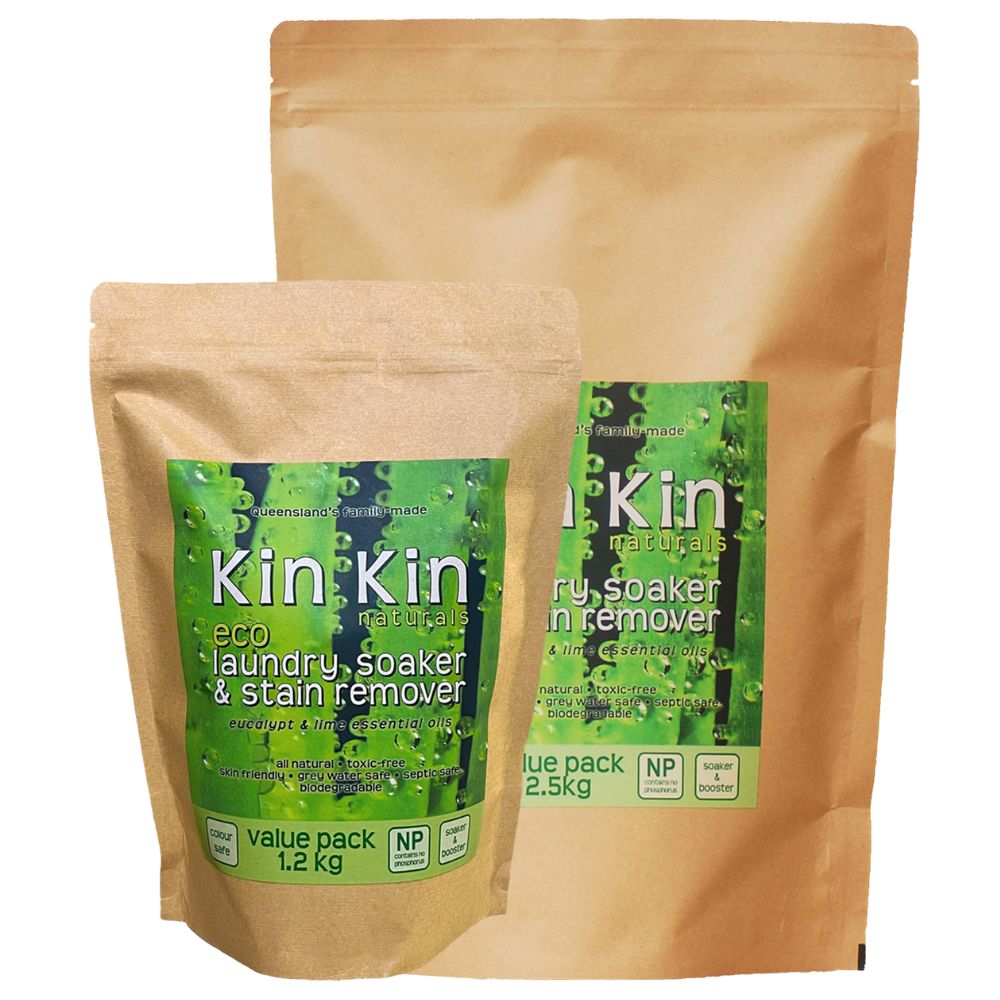
Kin Kin Naturals Stain Remover & Soaker
A concentrated, Australian-made stain treatment labelled safe for greywater and septic systems. Use the measured amount for machine washing or soaking.
If a stain needs concentrated oxygen bleach, that is fine—just bypass the greywater system for that particular load.
Which bathroom and household cleaners are greywater safe?
Think about where the rinse water actually goes. A bathroom spray rinsed from the shower may enter your greywater system; a multi-purpose spray wiped from a bench may not. These options are confirmed as greywater safe when used as directed.

Euclove Bathroom Cleaner
For soap scum, grime and mould-prone bathroom surfaces. Suitable for modern greywater and septic systems.

Euclove Multi Purpose Cleaner
A greywater- and septic-safe spray for grease, grime and marks on hard, non-porous surfaces.

Lil’ Bit Floor Cleaner
A highly concentrated floor cleaner labelled greywater and septic safe. Measure 30 ml into a standard 10 litre bucket.
How should you use greywater-safe cleaning products?
Choosing a greywater-safe product is the first step, but how you use it matters too:
- Follow the recommended dose. Using extra detergent or cleaner also sends more ingredients into the garden.
- Check the exact product. Do not assume everything described as natural or biodegradable is greywater safe.
- Divert certain loads where possible. Water containing oxygen bleach, chlorine bleach or another product not labelled greywater safe is better sent to the sewer or septic system.
- Be careful with heavily soiled washing. Do not reuse water from nappies or clothes contaminated by illness, oils or chemicals.
- Watch your soil and plants. Alternate with fresh water and avoid repeatedly sending greywater to the same area, particularly in clay soil.
Your greywater system may have its own requirements, so follow its instructions and check local rules. The simplest routine is to use clearly labelled greywater-safe products for everyday cleaning and bypass the garden when a job needs something stronger.
Looking for greywater-safe cleaning products?
Biome has practical greywater-safe options for everyday laundry, stain treatment and household cleaning, with the suitability stated on each featured product.
Frequently asked questions
Is oxygen bleach greywater safe?
Biome’s concentrated Naturally Better Oxygen Bleach is labelled not greywater safe because of its high salt content. One diluted load will not automatically harm a garden, but repeated use can add sodium to the soil. Divert loads containing oxygen bleach away from the garden where possible.
Is sodium percarbonate greywater safe?
Not automatically. It leaves sodium carbonate dissolved in the water, and repeated use can add sodium to soil. Formula and dose matter, so check the finished product rather than judging from one ingredient alone.
What laundry detergent is safe for greywater systems?
Choose a detergent specifically labelled greywater safe and use the measured dose. Biome options include Euclove Laundry Detergent and organic soap berries.
Can laundry greywater go on the garden?
It can be suitable for garden irrigation when local rules allow, the detergent is greywater safe and the water is applied correctly. Avoid water from heavily soiled or contaminated loads and monitor your soil and plants.
Can greywater be used on a vegetable garden?
Untreated greywater should not contact the edible parts of vegetables, herbs or other food plants. Follow your state or council guidance, as rules differ.
Can you store greywater?
Untreated greywater should generally be used within 24 hours. Longer storage requires an approved treatment system.
Is kitchen or dishwasher water greywater?
Australian household reuse guidance generally excludes kitchen sink and dishwasher water because it can contain food waste, grease and harmful microorganisms.
Is greywater safe for septic systems?
They are separate questions. Diverting greywater can affect the water balance of a septic system, and a greywater-safe cleaner is not automatically approved for every septic setup. Follow the instructions for both systems.
Related reads
How to Use Soap Berries for Laundry and Cleaning
Do Soap Berries Really Work for Laundry?
which laundry detergents and bathroom cleaners are septic safe in Australia.?