





The toothpaste you use can have an impact on your health, the health of your family, and the health of the planet.
Most commercial toothpaste formulas contain ingredients that we know many of you want to avoid — artificial colours/dyes, synthetic flavours, artificial sweeteners, triclosan, palm-derived glycerin, sodium lauryl sulphate, fluoride, microbeads, just to name a few.
So, we've put together a homemade natural toothpaste recipe containing natural ingredients that are better for you and for the environment. Read on for the breakdown on how to make toothpaste at home.
Updated July 2026: We've refreshed this guide with additional tips and information.
This recipe was developed by the Biome team, Australia's sustainable living specialists. Since 2003, Biome has helped Australians reduce exposure to unnecessary chemicals and plastic waste through carefully vetted natural products and DIY solutions.
How to Make Natural Toothpaste
This DIY toothpaste recipe is not only beneficial for your health but cost-effective and convenient too. In fact, you're likely to find many of the required ingredients in your pantry already. These include:
Coconut oil – is known to help boost the microbiome in your gut (gut health begins in the mouth), and naturally prevents candida in the mouth.
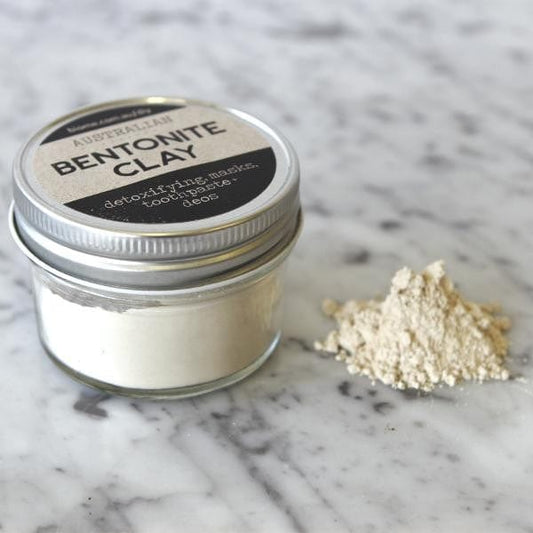
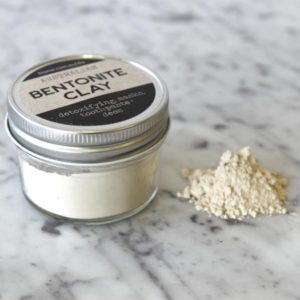
Bentonite clay – a natural polisher, rich in minerals that isn't too abrasive. It is also alkaline, helping to reduce acidity in the mouth.
Bi-carb soda – another alkaline ingredient, that will help to neutralise acids from the foods we eat, without being too abrasive.

DIY Natural Toothpaste Ingredients
- 1/4 cup aluminum-free bi-carb
- 1 teaspoon bentonite clay
- 2 teaspoons coconut oil
- Distilled water or cooled boiled water
- 6-8 drops peppermint essential oil
- 3 drops of stevia liquid to taste (optional)
Yield: Approximately 100ml of toothpaste.
Note: You can adjust the recipe depending on whether you want to make a small toothpaste for travel or a larger, everyday toothpaste for the home.
Method
- In a small 120ml glass jar, combine the bi-carb and bentonite clay and mix with a wooden utensil (a metal utensil will react with the clay).
- In a separate jug or jar, melt the coconut oil by popping it in a saucepan of water (double boiler method).
- Carefully pour the coconut oil into the bi-carb and bentonite clay mixture to make a paste. Mix in some water, a little at a time to help create your desired texture. Add more coconut oil if needed.
- Add 5-6 drops of peppermint oil to the mixture
- Add one drop of stevia liquid at a time to taste (optional).
- Store out of direct sunlight and use within 6 months.
How to Use
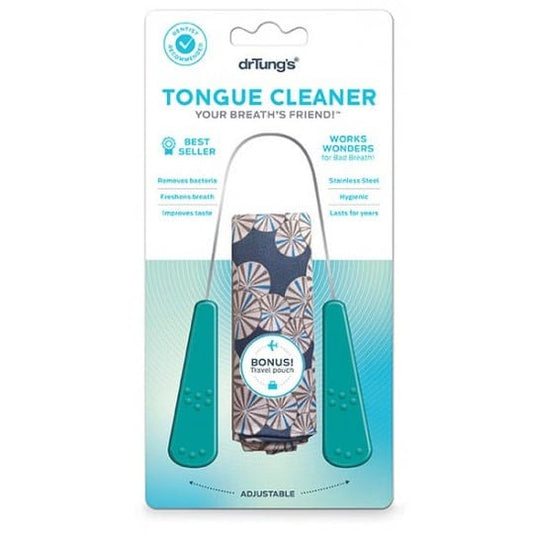
Using a small non-metallic spoon or utensil, scoop a small amount of toothpaste onto your brush. Brush as normal and rinse your mouth with water. Brush 2-3 times a day, combined with flossing, tongue scraping, a healthy diet rich in vegetables, and lots of water.
Where can I buy the ingredients to make my own natural toothpaste?
Bentonite clay and Peppermint essential oil are available to purchase from Biome online, while bi-carb, coconut oil and stevia liquid are available in most supermarkets or wholefood stores.
Shop the Ingredients & Tools
``` ```
|

|

|
Why make your own toothpaste?
People choose to make homemade toothpaste for all sorts of reasons.
For some, it's about avoiding ingredients they'd rather not put in their mouths, such as petroleum-derived ingredients, artificial flavours, synthetic sweeteners, foaming agents and fluoride.
For others, it's about reducing plastic waste. Most toothpaste comes in a plastic tube that can't easily be recycled through household recycling systems. Since the release of The Plastic Detox, we've also seen growing awareness of hidden plastics and microplastics in everyday products.
Then there's the cost. Homemade toothpaste can be made from a handful of simple ingredients, many of which you may already have in your pantry.
Whatever your reason, making your own toothpaste is a simple way to know exactly what's in it, reduce plastic exposure, and save a little money at the same time.
You can also make your own natural tooth whitening powder.
Frequently Asked Questions About Homemade Natural Toothpaste
Is homemade toothpaste effective?
Homemade toothpaste can help clean teeth, freshen breath and remove surface debris when used with proper brushing technique. Many people choose homemade toothpaste to reduce exposure to ingredients they prefer to avoid and to reduce plastic waste. Good oral hygiene also includes flossing, tongue cleaning, a healthy diet and regular dental check-ups.
Does homemade toothpaste contain fluoride?
This recipe does not contain fluoride. Fluoride is commonly added to commercial toothpastes and is widely used in dental care. If you are considering switching from a fluoride toothpaste, discuss your individual oral health needs with your dentist.
Why is bentonite clay used in toothpaste?
Bentonite clay is valued in DIY toothpaste recipes for its smooth texture and gentle polishing properties. It is also naturally alkaline and contains a range of minerals.
How long does homemade toothpaste last?
When prepared with clean utensils and stored in a sealed container away from direct sunlight, homemade toothpaste can typically be used within six months. Discard the mixture if you notice any unusual odour, mould or changes in appearance.
Natural Toothpaste Alternatives
Is there a ready-made alternative to homemade toothpaste?
If you're not up to making your own homemade toothpaste, but would still like to switch from a commercial formula to a natural one:
Find here natural toothpaste and tooth powders very similar to this recipe plus Palm oil free Toothpaste tablets.
Shop these natural toothpaste choices at Biome
``` ```

|

|

|
Discover Biome's Naked Beauty Bar & Recipes
Looking to simplify, reduce waste and know exactly what you are putting on your skin?
At Biome's Naked Beauty Bar in our retail stores, you'll find the raw ingredients you need to make your own natural skincare and cleaning products.
Explore more
DIY skincare and cleaning recipes
DIY skincare ingredients
Enjoy!