





Calamine lotion has long been the go-to for itchy mosquito bites, insect stings, poison ivy, rashes, chicken pox welts, and eczema.
I grew up with Mum plastering me in the pink cream after mozzie attacks on North Queensland beaches! Now I know that it's still a great option, but it is actually easy to whip up a zero waste, homemade alternative for calamine lotion using natural ingredients you may already have at home.
First published September 2022. Updated August 2026.
Firstly, what is calamine lotion?
Conventional calamine lotion works by creating a cooling sensation on the skin. This stimulates temperature nerves and distracts the brain from the itch (ABC article).
It’s (un)surprisingly hard to find a clear ingredients list for some commercial calamine lotions. Many chemists and brands don’t disclose them (not cool).
But typically, the active ingredients are zinc oxide and iron oxide (which gives it that classic pink tint), mixed with water, glycerine (often palm oil–derived), calcium hydroxide, bentonite, and preservatives like phenoxyethanol.
Why make a natural calamine alternative?
If you’d prefer to be more self-sufficient and know exactly what you are rubbing on your skin, avoid synthetic preservatives, and palm oil derivatives, you can make your own calamine alternative at home.
Our recipe relies on absorptive, soothing, and healing ingredients that are plastic-free, biodegradable, and easy to source.
Here’s what makes each one special:
Bentonite or green clay – natural “drawing” clay that pulls out impurities, shrinks bites, and calms inflammation. Fantastic for soothing itchy skin.
Bi-carb soda – aluminium-free baking soda neutralises acidity, eases swelling, and relieves itching.
Tasmanian sea salt – adds minerals that help reduce irritation, pain, and itchiness.
Aloe vera gel – hydrates and soothes, preventing over-drying of irritated skin.
Lavender essential oil – calming, antibacterial, and helps reduce discomfort while adding a gentle scent.
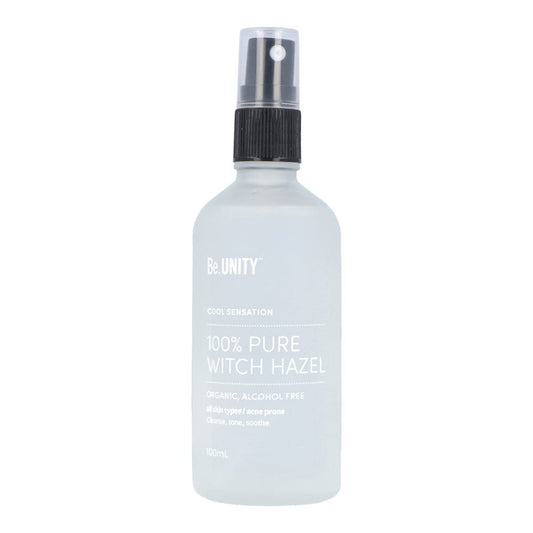
Witch hazel or filtered water – witch hazel provides a cooling, astringent boost, particularly good for rashes and bites.
How to make homemade calamine lotion
This simple homemade calamine lotion alternative takes just a few ingredients and can be stored in a reusable glass jar.
Ingredients
- ¼ cup filtered water or witch hazel
- 3 tablespoons bentonite clay or green clay
- 3 tablespoons bi-carb soda
- 1 tablespoon Tasmanian sea salt, finely ground
- 12 drops lavender essential oil
- 1 teaspoon aloe vera gel (natural humectant)
Method
- In a glass bowl using a wooden or plastic spoon, mix together the bi-carb soda, Tasmanian sea salt and clay. Avoid metal utensils when mixing clay.
- Slowly add filtered water or witch hazel, stirring constantly until a thick but smooth paste forms.
- Add aloe vera gel and lavender essential oil, mixing until well combined.
- Transfer to a clean 120ml glass jar and store away from sunlight.
Find a range of suitable glass jars at Biome, or reuse an old glass jar. You could also divide the mixture between a number of smaller jars to keep handy in your bag.
How to use homemade calamine lotion for natural itch relief
This recipe makes enough to fill one 120ml glass jar. Apply a small amount as needed to areas such as:
- Insect bites and stings
- Chicken pox spots
- Rashes and skin irritation
- Nappy rash
- Plant reactions like poison ivy
Avoid broken or infected skin, the eyes and other sensitive areas.
Storage note: Because this DIY recipe contains water and does not contain a broad-spectrum cosmetic preservative, make small batches and keep refrigerated in a clean container. Shake or stir before use if separation occurs, and discard if you notice any change in smell, colour or texture.
Important: If you are allergic to insect bites or stings, always seek immediate medical attention.
Where can I buy the ingredients?
At Biome you'll find many of the simple ingredients and reusable tools you need to make your own natural calamine lotion alternative.
Shop the ingredients & tools
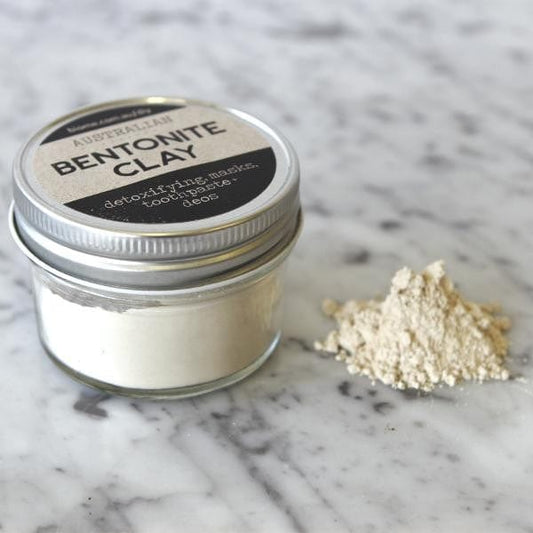
Australian bentonite clay in a reusable glass jar. |
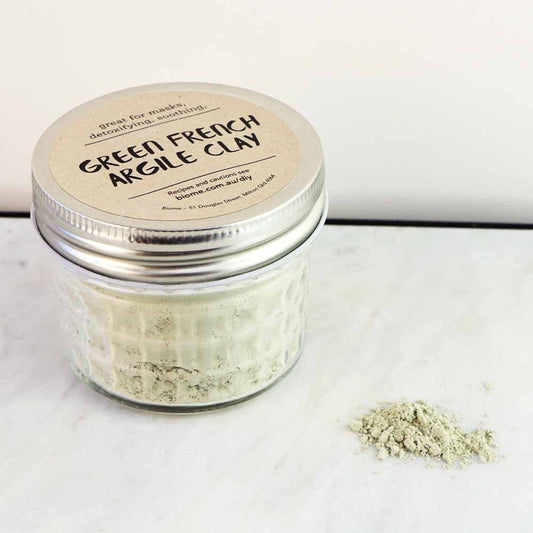
An alternative clay option for making the recipe. |
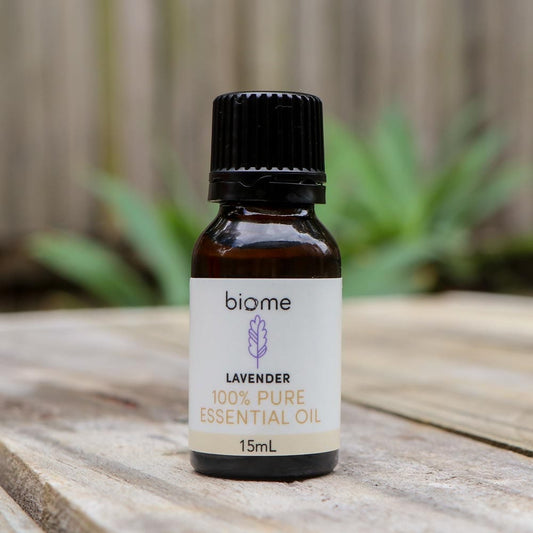
Pure lavender essential oil for your homemade blend. |
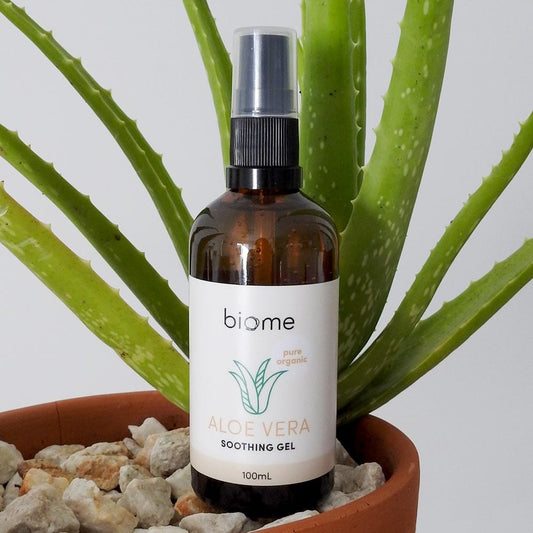
Cooling aloe vera gel to add to your DIY lotion. |
Make your own natural skin care
Explore Biome's natural DIY ingredients, including clays, essential oils, aloe vera and reusable glass jars.
How to stop bites itching
Of course, our homemade calamine alternative is just one option once you've already been bitten. One of the most common questions we hear is: “How do I stop a mosquito bite from itching?” The truth is, there isn’t a single cure-all, but there are several approaches that can help ease the discomfort.
Conventional relief
- Wash the area: Gently clean the bite with soap and water to keep the area clean, particularly if the skin has been scratched.
- Cool it down: Apply a cold pack or ice wrapped in a cloth. Cooling the area can help temporarily ease itching and swelling.
- Antihistamines: Over-the-counter antihistamines may help some people with itching caused by the body's histamine response. Speak with your pharmacist or healthcare professional about what is appropriate for you.
- Combination remedies: Some people find that cooling the area alongside an appropriate antihistamine provides more relief than either approach alone.
Natural home remedies
If you prefer a more natural approach, some simple options people use include:
- Apple cider vinegar – Some people dab diluted apple cider vinegar onto bites as a traditional home remedy. Avoid broken or irritated skin.
- Tea tree oil – If using tea tree essential oil topically, always dilute it appropriately in a carrier oil and patch test first.
- Basil leaves – Crushed fresh basil leaves are another traditional home remedy sometimes used on minor bites.
- Aloe vera gel – Naturally cooling on the skin, particularly when kept in the fridge.
- Homemade calamine lotion alternative – our blend of clay, bi-carb soda, sea salt, aloe vera and lavender creates a cooling DIY paste without synthetic additives.
Better still, help prevent the mozzie bites in the first place
Explore Biome's ready-made natural mosquito repellents, including sprays and balms for helping keep mosquitoes away.
Frequently asked questions about calamine lotion alternatives
What can I use instead of calamine lotion?
If you're looking for a homemade substitute for conventional calamine lotion, this recipe combines clay, bi-carb soda, sea salt, aloe vera and lavender essential oil with filtered water or witch hazel to make a simple paste for topical use.
What is calamine lotion made of?
Calamine preparations typically contain zinc oxide and ferric oxide, which gives calamine its characteristic pink colour. Other inactive ingredients vary between products, so check the ingredients list on the particular calamine lotion you're using.
Is this homemade recipe the same as calamine lotion?
No. This is a homemade natural alternative inspired by the way calamine lotion is used rather than a homemade version of conventional calamine lotion. It does not contain the same active ingredients as commercial calamine lotion.
How should I store homemade calamine lotion?
Because this recipe contains water and does not contain a broad-spectrum cosmetic preservative, make it in small batches and keep it refrigerated in a clean container. Discard it if you notice any change in smell, colour or texture.
Caution
As with all our DIY recipes, you can experiment to suit your preferences. Many factors can change the end result, including temperature, humidity and ingredient quality.
Before using any raw DIY ingredient for the first time, please research that ingredient's potential benefits as well as safety precautions and possible side effects. Patch test your finished product before wider use.
Please exercise caution when using essential oils. Essential oils are highly concentrated liquids, so use in moderation and follow the usage and safety directions for each oil. Avoid applying this recipe to broken or infected skin, around the eyes or on other sensitive areas.
If you experience a severe allergic reaction to an insect bite or sting, seek immediate medical attention.
Related reads