





Quick answer: Is air-drying better for your clothes than using a dryer?
Air-drying is generally gentler on clothing because it avoids the heat and repeated tumbling that can contribute to shrinking, fading and fabric wear. It also uses less household energy. A dryer is convenient when needed, but checking care labels, using a lower heat setting and avoiding over-drying can help reduce damage.
Originally published January 2022, updated September 2026.
Air-drying your clothing is an environmentally friendly approach that can also help your garments last longer. Looking after the clothing we already own with love and care is an important part of reducing waste. Here at Biome, we believe air-drying your clothing where possible is part of this.
Of course, we all have days when we need the convenience of a clothes dryer, and we aren’t here to demonise it. However, your clothes will thank you—and last longer—if they can be air-dried, at least most of the time. Some fabrics should never go through the dryer, so always check the care label!
Does air-drying make clothes last longer?
Do you often find yourself emptying lint out of your dryer? That lint is made up partly of tiny fibres shed from your clothing. Repeated heat and tumbling can gradually contribute to fabric wear, fading, shrinking and garments losing their shape.
Air-drying avoids that repeated heat and movement, making it a gentler option for many fabrics and helping clothing retain its quality for longer.
Of course, using a dryer isn’t all dire. You can minimise damage by checking the care label, choosing the lowest suitable temperature and removing garments as soon as they are dry. However, when maintaining the quality of your clothing is the priority, air-drying is generally the gentler option.
What are the benefits of air-drying clothes?
Uses less energy: Choosing the clothesline instead of the dryer can reduce household energy use and may help lower your electricity bill—a win for your wallet and the planet!
Reduces fabric wear: Avoiding repeated heat and tumbling can help clothes retain their quality and shape for longer.
Can reduce wrinkles: Shaking out and smoothing damp garments before hanging may mean less ironing later.
Helps brighten whites: Sunshine can naturally brighten white clothing, towels and sheets. Dry dark garments inside out or in the shade to reduce fading.
Is gentler on delicate clothing: Activewear, underwear, elastic garments and delicate fabrics can be vulnerable to dryer heat. Always check the care label, and dry wool and heavy knitwear flat where recommended.
Gets you outside: Hanging out the washing can be a calming little ritual and a chance to move your body and get some fresh air.
What do you need to air-dry clothes with less plastic?
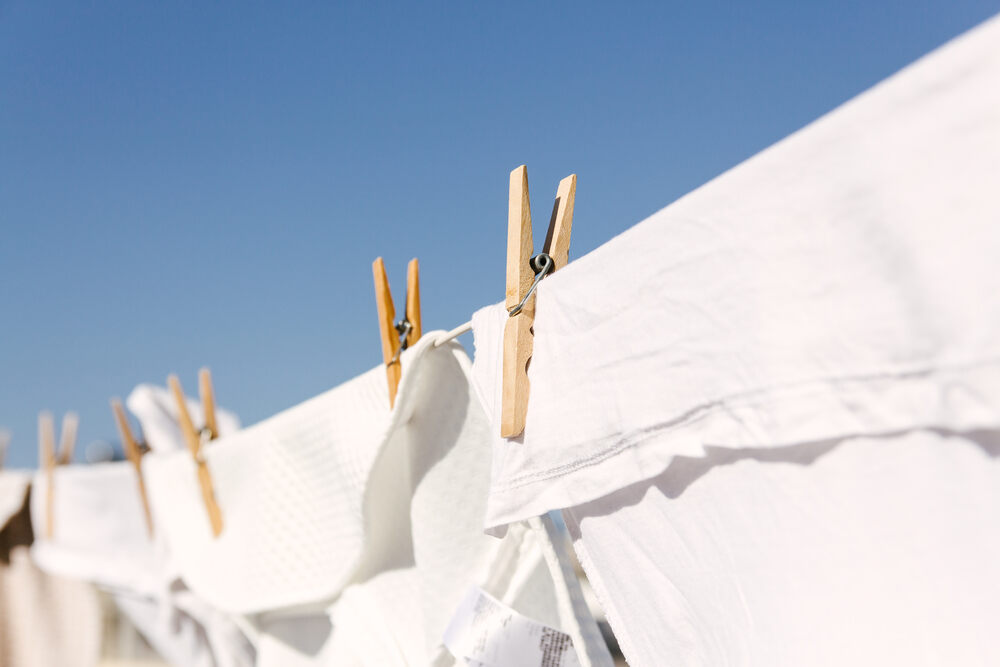
Air-drying itself does not require much, but durable clothes pegs and hanging tools can make it easier. Plastic pegs and hanging racks can become brittle, crack and break after repeated exposure to sunlight and weather.
Stainless steel alternatives are designed to be reused for years, reducing the need to repeatedly replace broken plastic laundry accessories.
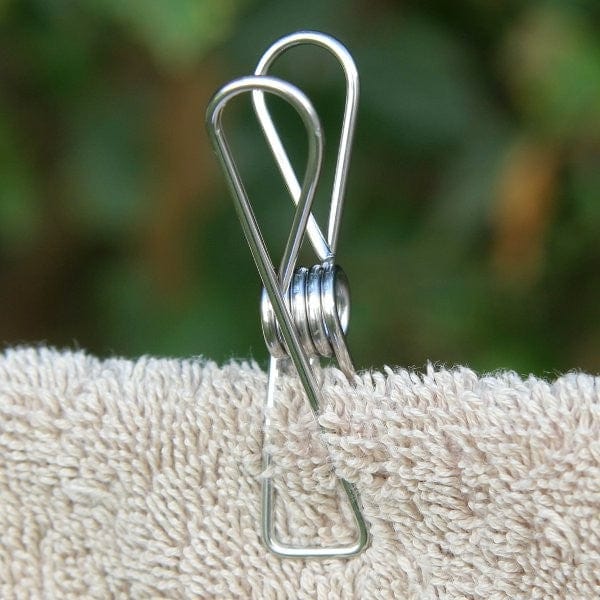
Stainless steel clothes pegs
Best for: Replacing plastic clothes pegs that become brittle and break.
Why they stand out: Biome’s stainless steel pegs are available in different grades and strengths for everyday, windy and coastal conditions.
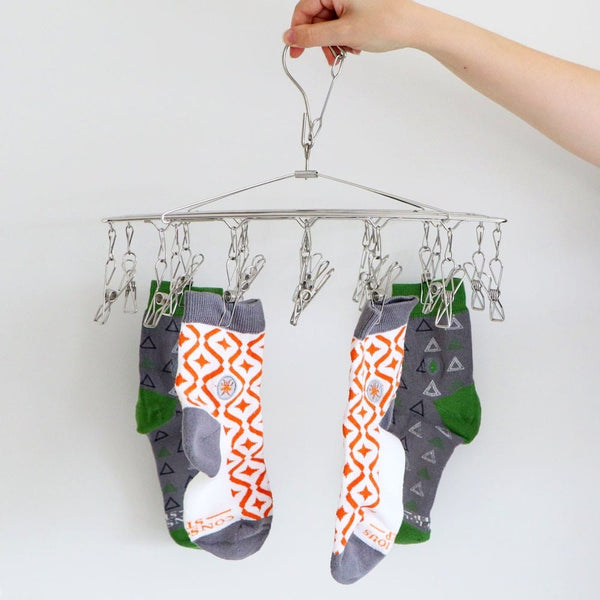
Stainless steel sock hangers
Best for: Air-drying socks, underwear, baby clothes and other small items.
Why they stand out: A reusable stainless steel hanger keeps small garments together while replacing plastic hanging racks that can crack over time.
How can you reduce damage when using a dryer?
Sometimes the weather, available space or a busy day means using the clothes dryer is the most practical option. You can still reduce unnecessary wear by:
- Checking each garment’s care label
- Choosing the lowest suitable temperature
- Avoiding overloading the dryer
- Using an automatic cycle or moisture sensor to avoid over-drying
- Removing clothes promptly once they are dry
- Keeping the lint filter clean so the dryer operates efficiently
- Using reusable wool dryer balls instead of disposable dryer sheets
Wool dryer balls help separate clothing as it tumbles, allowing warm air to circulate more freely through the load. They do not remove the effects of heat and tumbling, but they are a reusable alternative to conventional dryer sheets.
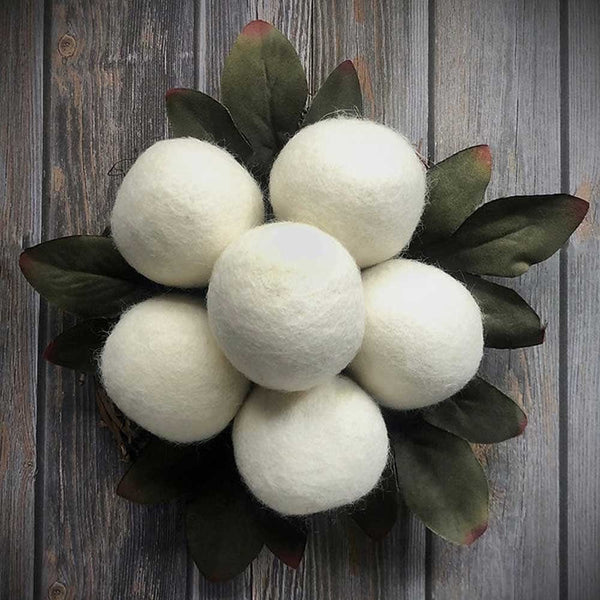
Reusable wool dryer balls
Best for: Replacing disposable dryer sheets when you need to use the dryer.
Why they stand out: Wool dryer balls can be reused across many loads and help create space between clothes as they tumble.
Air-drying clothing has been around for generations, and we don’t think we should move on from this practice anytime soon. It can help clothes last longer, reduce household energy use and make better use of the clothing and resources we already have.
Make air-drying easier
A few durable laundry tools can make it easier to choose the clothesline more often. Explore Biome’s stainless steel clothes pegs and sock hangers for plastic-free air-drying, plus reusable wool dryer balls for the loads that still need the dryer.
Frequently asked questions
Does tumble drying damage clothes?
Repeated heat and tumbling can contribute to shrinking, fading, fibre shedding and general fabric wear. Following care labels, using a lower temperature and avoiding over-drying can help reduce this damage.
Does air-drying stop clothes from shrinking?
Air-drying avoids the dryer heat that can shrink some fabrics. However, clothing may also shrink because of hot washing or the nature of the fabric, so always follow its complete washing and drying instructions.
Should dark clothes be dried in the sun?
Strong, prolonged sunlight may fade dark and brightly coloured clothing. Hang these garments inside out or dry them in a shady position with good airflow.
Why are my clothes stiff after air-drying?
Some fabrics, particularly towels, may feel stiffer after air-drying. Shake garments before hanging them, avoid using too much detergent and make sure they are thoroughly rinsed. A brief low-heat tumble may help soften suitable items when needed.
Can you air-dry clothes indoors?
Yes, but allow space between garments and provide good ventilation so that moisture can escape. Avoid drying large amounts of washing in a closed room where moisture may contribute to condensation or mould.
Does air-drying clothes save energy and money?
Here’s a win for your wallet and the planet! A clothes dryer can be one of the more energy-consuming appliances in the home. Drying clothes naturally reduces household energy use and may also help lower your electricity bill.
Air-drying also avoids using energy to do something that sunshine, fresh air and a little extra time can often achieve for free.
Does air-drying reduce wrinkles?
Hanging clothes promptly and smoothing them into shape while they are still damp can help reduce creases. Shake each garment out before hanging it and avoid bunching clothes too closely together on the line.
This can mean less ironing later—another win for those of us who don’t enjoy ironing and one less appliance to use!
Is it better to dry clothes in the sun or shade?
Sunlight can help naturally brighten white clothing, towels and sheets. However, prolonged exposure to strong sunlight can fade dark or brightly coloured fabrics.
Dry whites in the sunshine when appropriate, but consider hanging dark clothing inside out or placing it in a shady, well-ventilated position. Always check the garment’s care label before drying it in direct sunlight.
Which clothes should be air-dried?
Some garments are particularly vulnerable to heat, tumbling or shrinking and should be air-dried whenever their care instructions recommend it. These may include:
-
Wool and knitted garments
-
Activewear and stretch fabrics
-
Bras and delicate underwear
-
Garments containing elastic
-
Delicate natural fibres
-
Anything labelled “do not tumble dry”
Wool, knitwear and other garments that can lose their shape are often best laid flat to dry rather than hung. Always follow the care label, as the right drying method depends on the fabric and construction of the garment.
Related reads
Can You Wash Clothes Without Detergent? Natural Options for a Plastic-Free Laundry
Further reading
University of Michigan: Switching to air-drying can save money and reduce emissions