





Originally published 2024, updated 2026.
Quick answer: Not all shampoo bars are formulated the same. Some are traditional soap-based bars, while others are surfactant-based bars designed to perform more like liquid shampoo.
Soap-based bars are often preferred for simpler, more traditional formulations, while surfactant-based bars usually create a richer lather, easier transition and less waxy buildup. The best option for you will usually depend on your hair type, scalp needs, water type and personal preference.
Understanding the difference can make a big difference to how your hair feels afterwards — especially if you have previously struggled with waxy, dry or heavy-feeling hair when switching to shampoo bars.
Like liquid shampoos, shampoo bars can vary enormously in formulation quality. Some contain petrochemicals, synthetic fragrances or palm oil-derived ingredients, while others focus on simpler, more natural formulations.
At Biome, we carefully choose shampoo bars that are plastic free, palm oil free and genuinely enjoyable to use. Because while sustainability matters, performance matters too.
What is the difference between soap-based and surfactant shampoo bars?
The biggest difference is how the shampoo bars cleanse the hair.

Soap-based shampoo bars are made through saponification using oils and lye, similar to traditional soap making.
Surfactant-based shampoo bars use cleansing ingredients called surfactants, similar to liquid shampoo, but in concentrated solid form.
This means the two types can feel very different on the hair.
Soap-based bars are often preferred by people looking for simpler, more traditional formulations and gentle scalp care, while surfactant-based bars tend to create a richer lather and a more familiar liquid shampoo feel.
Neither type is automatically “better” — they simply suit different hair types, water conditions and preferences.
This is why two people can have completely different experiences with shampoo bars — even when both are using high-quality products. Proper shampoo bar use can help reduce waxy or heavy-feeling hair. Read more → How to use a natural shampoo bar
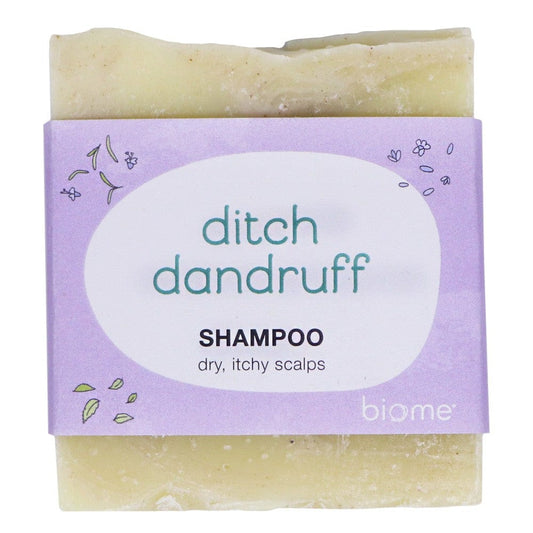
Soap-Based Shampoo Bars
How soap-based bars are made
Soap-based shampoo bars are made through a process called saponification, where oils like olive, coconut and jojoba are combined with a lye solution to create a solid soap. These bars often include natural additives like essential oils, clays and herbs.
How soap-based shampoo bars feel on the hair
Soap-based bars gently cleanse the hair without heavily stripping the scalp’s natural oils. Many people enjoy them for their simple ingredient lists and balanced scalp feel.
However, some people notice an adjustment period when first switching, particularly if their hair has buildup from silicone-heavy haircare products or if they live in a hard water area.
This can sometimes cause hair to temporarily feel heavier, waxy or less manageable while adjusting. Once settled into a routine, many people find soap-based shampoo bars leave their hair softer, shinier and less reliant on daily washing.

Best suited to
- Sensitive or itchy scalps
- People wanting minimal or traditional formulations
- Dry hair types
- Lower-frequency washing routines
- People comfortable with a more natural-style haircare routine
Things to consider
- May feel waxy in hard water areas
- Can require a short adjustment period for some hair types
- Some people prefer using an apple cider vinegar rinse afterwards
Soap based shampoo bars available at Biome


Surfactant-Based Shampoo Bars
How surfactant-based bars are made
Surfactant-based shampoo bars are essentially a solid version of liquid shampoo. They use cleansing ingredients called surfactants, such as Sodium Cocoyl Isethionate or Sodium Coco Sulfate, to create lather and remove oil and dirt from the hair.
Despite the “coco” in some ingredient names, these ingredients are not always derived entirely from coconut oil. In many products they may be palm oil-derived or made from a combination of palm and coconut oils. At Biome, we carefully select palm oil free options.
How surfactant-based shampoo bars feel on the hair
Surfactant-based shampoo bars are designed to perform much more similarly to liquid shampoo. They generally create a richer lather, cleaner rinse and more familiar feel on the hair.
For people wanting a shampoo bar that feels closer to traditional liquid shampoo, surfactant-based bars are often the easier transition.
They are also usually less prone to waxy buildup and heavy-feeling residue.
This makes them especially popular with first-time shampoo bar users and people who previously disliked the heavy or waxy feeling sometimes associated with soap-based shampoo bars.
They also tend to perform more consistently in hard water, which is one reason people living in hard water areas often prefer surfactant-based shampoo bars.

Best suited to
- First-time shampoo bar users
- People wanting a familiar liquid shampoo feel
- Oily hair types
- Fine hair
- Colour-treated hair
- Hard water households
- People who dislike waxy buildup
Things to consider
- Usually best paired with conditioner
- Some formulas may feel drying without follow-up moisture
- Surfactants are still processed cleansing ingredients, even when naturally derived
Skipping conditioner may leave hair feeling dry or straw-like, particularly on longer, curly or colour-treated hair.
Surfactant based shampoo bars available at Biome

Ethique
Surfactant-based shampoo bars designed to feel closer to traditional liquid shampoo. (While stocks last!)

Viva La Body
Plastic free and palm oil free shampoo bars with a rich lather and familiar shampoo feel.
Why do some shampoo bars leave hair feeling waxy?
One of the biggest reasons people give up on shampoo bars is because their hair feels waxy, sticky or heavy afterwards.
This is more commonly associated with soap-based shampoo bars, especially in hard water areas.
Common reasons shampoo bars may leave buildup on the hair include:
- hard water minerals reacting with soap-based formulas
- silicone buildup from previous haircare products
- using too much product
- not rinsing thoroughly enough
- using a shampoo bar type that does not suit your hair or water conditions
This is one reason people can have very different experiences with shampoo bars depending on both their water type and the type of shampoo bar they choose.
Surfactant-based shampoo bars are usually less prone to this issue because they rinse more similarly to liquid shampoo.
A well-formulated shampoo bar should leave hair feeling clean and comfortable — not coated, sticky or difficult to brush.
Read more about this → Why does hair feel waxy or like straw after using shampoo bar?
How do shampoo bars compare to liquid shampoo?
Shampoo bars and liquid shampoos can feel similar — particularly when using surfactant-based shampoo bars.
Surfactant-based shampoo bars are specifically designed to create a rich lather and clean rinse similar to bottled shampoo, making them a popular option for people transitioning away from liquid products for the first time.
Soap-based shampoo bars, on the other hand, tend to feel more traditional and may behave differently depending on hair type, water type and previous haircare buildup.
Both shampoo bars and liquid shampoos vary enormously in formulation quality. Some contain harsh detergents, petrochemicals, synthetic fragrances or palm oil-derived ingredients, while others focus on gentler, lower-tox formulations.
At Biome, we carefully choose shampoo bars that are palm oil free, plastic free and free from harsh petrochemical ingredients, without compromising on performance.
Quick comparison: soap-based vs surfactant shampoo bars
| Feature | Soap-Based Bars | Surfactant-Based Bars |
|---|---|---|
| Feel on hair | More natural/traditional feel | Closer to liquid shampoo |
| Lather | Usually lighter | Rich creamy lather |
| Hard water performance | Can leave residue | Generally performs well |
| Adjustment period | Sometimes | Usually minimal |
| Best suited to | Sensitive scalps, simple routines | First-time users, oily or fine hair |
The best shampoo bar is ultimately the one that works well for your hair, scalp and lifestyle.
Understanding the difference can make switching to plastic-free hair care much easier — especially if you have previously struggled with waxy, dry or heavy-feeling hair.
With the right formula, shampoo bars can leave hair feeling soft, clean and comfortable while helping reduce unnecessary plastic bottles in your daily routine.
Ready to find the right shampoo bar for your hair?
Explore Biome’s range of palm oil free, plastic free shampoo bars designed to actually work.
FAQs
Here are a few of the most common questions people ask when comparing shampoo bar types.
Do you need conditioner with a shampoo bar?
It depends on the type of shampoo bar and your hair type. Soap-based shampoo bars are often moisturising enough for some hair types on their own, although some people like using an apple cider vinegar rinse for added softness.
Surfactant-based shampoo bars are usually best paired with a conditioner, particularly for long, curly, dry or colour-treated hair. Skipping conditioner can sometimes leave hair feeling dry or straw-like.
Do shampoo bars work in hard water?
Yes, but the type of shampoo bar matters. Soap-based shampoo bars can sometimes react with hard water minerals and leave residue on the hair.
Surfactant-based shampoo bars generally perform better in hard water and tend to rinse more cleanly.
Is there a transition period with shampoo bars?
Some people experience a short adjustment period when switching to shampoo bars, particularly when moving from silicone-heavy liquid haircare products. This can sometimes make the hair feel heavier or waxy initially.
However, a well-formulated shampoo bar should not leave hair feeling consistently uncomfortable or impossible to manage.
Why does my hair feel waxy after using a shampoo bar?
Waxy or heavy-feeling hair is usually caused by buildup rather than the shampoo bar itself. This is more common with soap-based shampoo bars in hard water areas, where minerals can react with the soap and leave residue on the hair.
Using too much product, not rinsing thoroughly enough or existing silicone buildup from previous haircare products can also contribute. Surfactant-based shampoo bars are generally less prone to this issue because they rinse more similarly to liquid shampoo.
Are shampoo bars actually good for your hair?
Yes — a well-formulated shampoo bar can cleanse the hair effectively while helping reduce plastic bottle waste.
However, different shampoo bar formulations perform differently. Some people prefer soap-based bars for their traditional, minimal ingredient approach, while others prefer surfactant-based bars for their richer lather and more familiar liquid shampoo feel.
Are shampoo bars better for sensitive scalps?
Many people with sensitive or itchy scalps prefer shampoo bars with gentler, minimal ingredient formulations.
Soap-based bars are often popular for sensitive scalp routines, although the best option still depends on the individual person, their scalp needs and their water type.
Do shampoo bars cause hair breakage?
Shampoo bars themselves should not inherently cause hair breakage. However, hair may feel drier or harder to brush if a shampoo bar leaves buildup on the hair or is not suited to your hair type.
Using conditioner, rinsing thoroughly and choosing the right formulation can make a significant difference to how the hair feels afterwards.
Related Reads
Why does hair feel waxy or like straw after using shampoo bar?