





Quick answer: How do you use shaving soap?
A shave soap can be used either by lathering in your hand or with a shave brush. Wet the skin and soap with warm water, work up a thick creamy lather, apply it generously to the area you wish to shave, then shave using a quality razor. A shaving brush is particularly useful for the face, underarms and bikini line, while for legs you can simply lather the soap in your hands.
Updated August 2026.
By switching to a traditional moisture-rich shaving soap, reusable stainless steel razor and shaving brush, you can reduce waste, avoid skin-irritating ingredients, lessen the likelihood of razor burn and ingrown hairs, and save money.
What better results could you want from shaving! But, how do you use them? Shaving soaps are used for shaving your face, legs, underarms, bikini, or anywhere hair removal is needed. A shave soap can be used either by lathering in your hand or with a shave brush. Read on as we explain what to look for in the best shaving soap and how to use a shaving soap effectively.
What is shaving soap?
The essential function of a shaving soap is to act as lubrication between your skin and a sharp blade, allowing the razor to slip over your skin with minimal irritation. The soap lather and warm water also soften your hair and skin, preparing it for an easier shave. The best quality shaving soap uses the traditional soap making method where a vegetable oil is mixed with an alkali to form soap.
What ingredients should you look for in a shaving soap?
What to look for
✓ A traditional handmade shaving soap
✓ A high portion of plant oils and nourishing butters
✓ Ingredients such as olive, castor or coconut oil, shea butter and cocoa butter
✓ Naturally retained glycerine for a dense, creamy lather
✓ Clay can also help the razor glide over the skin
Men and women who shave often experience red, irritated skin with raised red bumps. This razor burn can be due to blunt razors, insufficient lubricant between the razor and skin, and perhaps the most significant contributor, fragranced synthetic shaving cream that contains harsh ingredients.
For example, here are the ingredients in a Gillette Sensitive Skin Shave Foam promoted as "with Aloe".

Consider that as you shave you are grazing your skin, so you are likely to exacerbate any burn by putting onto that chaffed skin all of these petrochemicals, fragrances, detergent, preservatives, Sodium Laureth Sulfate and alcohol!
The other cause of red bumps is of course ingrown hairs and as you'll read below we explain how a good shaving soap and brush can assist with calming and preventing this also. For more on the causes of post-shave irritation and how to prevent it, read our guide to itchy skin after shaving.
Why do glycerine and plant oils matter?
Often with mass commercial soap making, the natural glycerine content of the oils is removed during the soap making process (as it is a valuable by-product for other uses) and hence why soap is often considered drying to the skin.
With more traditional handmade soaps, the glycerine is retained and because of this a good quality shaving soap will feel much denser and produce more creamy lather. Generally, the higher the fat and glycerine content, the better the lather and the more effective it is for shaving.
The high fat content will lubricate and create a barrier between the blade and skin, while softening the hair and moisturising the skin.
All of the shaving soaps available at Biome have simple and minimal ingredients with quality plant oils and butters, essential oils, and some with clay that helps glide over the skin. At Biome we also avoid products that contain palm oil-derived ingredients, due to the significant environmental impact palm oil production has on our environment.
How to use a shaving soap, brush and bowl

For your face, underarms and bikini line
Swirling the shave brush in circular motions over your skin helps exfoliate and remove dead skin cells, lessen the risk of ingrown hairs, and lift and soften the hairs ready for an effective shave.
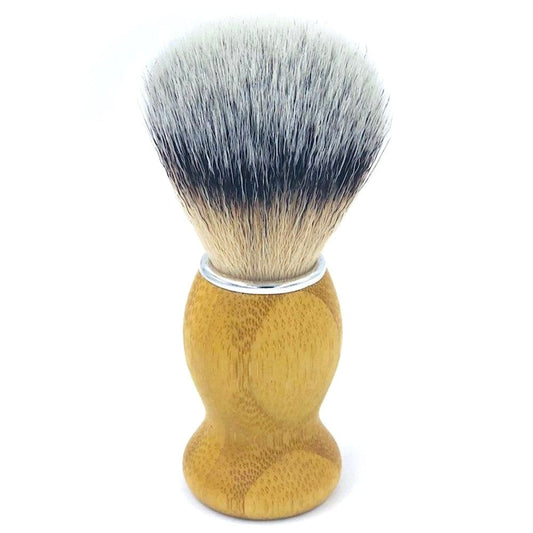
- Soak your brush. Fill a shaving bowl with hot water (or put a little in your sink) and soak the shaving brush for a minute or two. Remove the brush and shake out the excess water.
- Soften the shaving soap. Run a little hot water over your shaving soap — approximately 1 teaspoon. This will soften the soap and make it easier to work into a lather. If your soap comes in a tin, keep it in the tin to do this.
- Build a thick, creamy lather. Swirl the shaving brush over the soap for 10–20 seconds, then transfer the brush to a bowl with approximately 1 teaspoon of water. Swirl for about 1 minute until a thick lather builds. It may look quite bubbly at first, but the longer you swirl, the thicker and creamier it will become.
- Apply the lather and shave. Use the brush in circular motions to apply the lather to your skin. Cover the area you want to shave with a nice thick cushion of lather, then shave using a quality safety razor.
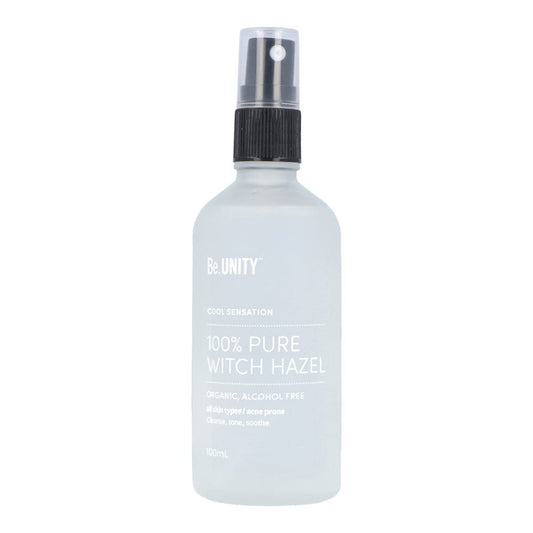
- Care for your skin afterwards. Rinse your skin after shaving, then spray with witch hazel — a natural antiseptic that helps reduce inflammation in the skin.
For your legs
Keep it simple. Lather the soap bar between your wet hands and apply it directly to your legs. There is no need to use a shaving brush or bowl.
If you're new to safety razors, take your time for the first few shaves. For the full technique, read How to Use a Safety Razor.
Why switch to shaving soap?


Reduce waste: Swap aerosol cans and plastic tubes for a solid soap packaged in nothing at all, compostable paper or a reusable metal tin.
Avoid synthetics: Choose a traditional shaving soap with simple ingredients instead of an intense amount of harmful synthetic ingredients found in many shaving foams.
Save money: Shaving soaps are concentrated and long lasting — approximately 4–6 months when used as recommended.
Ready to make the switch?
Find traditional shaving soaps, reusable safety razors and shaving accessories for a lower-waste shave.
Frequently asked questions
Do you need a shaving brush to use shaving soap?
No. A shave soap can be used either by lathering in your hand or with a shave brush. For shaving your legs, simply lather the soap bar in your hands. A shaving brush is particularly useful for the face, underarms and bikini line.
How do you get a thick lather from shaving soap?
Soak your shaving brush in warm water, shake out the excess and swirl it over the softened shaving soap for 10–20 seconds. Transfer it to a bowl with a small amount of water and continue swirling until a thick, creamy lather forms.
Can you use shaving soap on your face, underarms and bikini line?
Yes. Shaving soap can be used for shaving your face, legs, underarms, bikini, or anywhere hair removal is needed.
Why is glycerine important in shaving soap?
With more traditional handmade soaps, the glycerine formed during soap making is retained. This helps a good quality shaving soap feel denser and produce a more creamy lather. Generally, the higher the fat and glycerine content, the better the lather and lubrication for shaving.
Related reads
How to Use a Safety Razor
Learn how to use a reusable safety razor, including simple tips on pressure, strokes and getting comfortable with the technique.
How to Stop Itchy Skin After Shaving
Explore the common causes of itchy skin, razor burn and bumps after shaving, and what you can do to help prevent them.
How to Switch From Aerosol Shaving Cream
Discover why you might swap aerosol shaving cream for a traditional shaving soap and reusable shaving routine.
How to Make a DIY Razor Burn Spray
Make a simple post-shave spray for skin that feels irritated after shaving.