





Quick answer: how to avoid natural deodorant rash
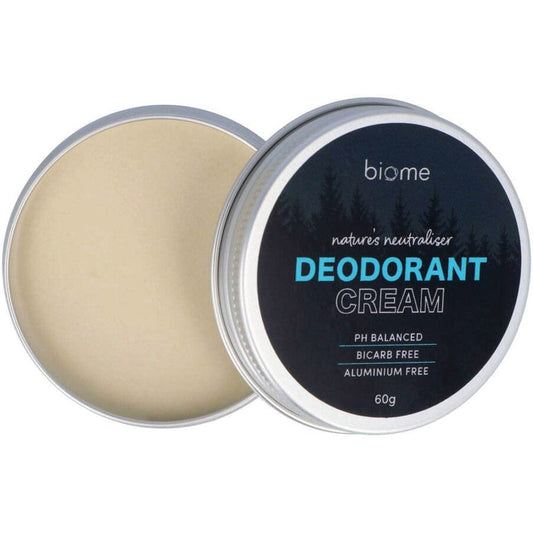
Natural deodorant rash is most commonly caused by baking soda (bicarb), which can disrupt the skin’s pH. To avoid irritation, switch to a bicarb-free, pH-balanced formula and apply a small amount to clean, dry skin. A gentle option like Biome Natural Deodorant Cream is designed to reduce common irritation triggers while still controlling odour.
Many people experience itchy or irritated underarms when switching to natural deodorant. In most cases, it comes down to the formula — particularly baking soda — rather than natural deodorant itself.
Below, we break down exactly why this happens and how to avoid natural deodorant rash altogether.
How to avoid natural deodorant rash
In most cases, natural deodorant rash is preventable with a few simple changes.
If your skin is reacting, it’s usually a sign to adjust the formula or how you’re using it — not to give up on natural deodorant altogether. For most people, the biggest difference comes from switching to a bicarb-free formula.
These simple changes make the biggest difference:
Choose a bicarb-free formula
Your natural deodorant should work with your skin, not against it. Avoid baking soda, alcohol and synthetic fragrance if you are prone to irritation.
Look for simple, gentle formulations — ideally bicarb-free, low fragrance, and based on ingredients like magnesium rather than baking soda. These are far less likely to disrupt the skin barrier.
A well-formulated option like Biome Natural Deodorant Cream is designed to avoid common irritation triggers while still providing reliable odour control.
Apply less (this is where most people go wrong)
Natural deodorant only needs a small amount — about a pea-sized amount per underarm. Applying too much can lead to buildup, friction and irritation.
Apply to clean, completely dry skin
Damp skin can increase sensitivity and make irritation more likely. Apply once your skin is fully dry.
Patch test new products
If you have sensitive or reactive skin, it’s a good idea to patch test a new deodorant before applying it fully. Apply a small amount to your inner arm and wait 24 hours to check for any reaction.
Give your skin time to adjust
When switching from conventional deodorant, your skin may go through a short adjustment period. You might notice more sweat or sensitivity at first, but this usually settles within a few days to a couple of weeks.
Support your skin barrier

If your underarms feel irritated, focus on calming and restoring the skin.
Gentle exfoliation once or twice a week can help prevent buildup, and a simple natural moisturiser can help calm and restore the skin.
Simplify your routine if irritation starts
If your skin feels sore or reactive — or your deodorant isn’t working as expected — it’s usually a sign to simplify the formula rather than stop using natural deodorant altogether. You can also read our guide to common natural deodorant problems and how to fix them.
Support the transition period
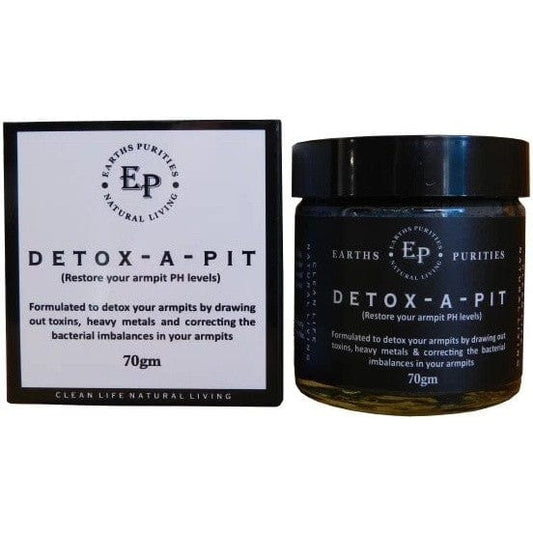
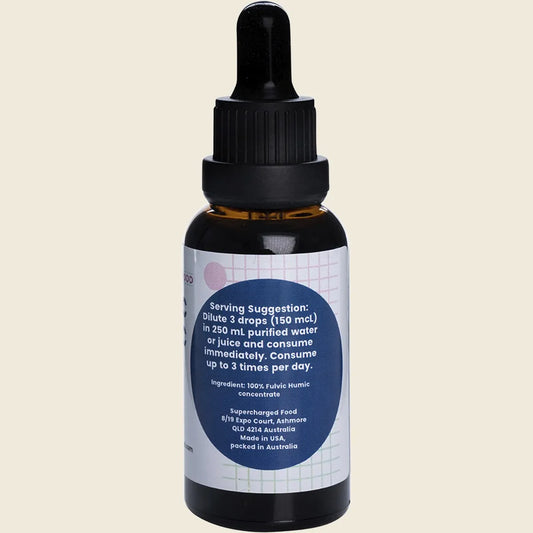
If you’re struggling with the switch, a targeted product like Earth Purities' Detox-A-Pit can help support the transition to natural deodorant. It works by helping rebalance the underarm area, which may reduce irritation and odour while your skin adjusts.

Best natural deodorant for avoiding irritation
If your goal is to avoid irritation, the best natural deodorant is one that is bicarb-free, pH balanced and designed for sensitive skin.

Best for sensitive skin: Biome Natural Deodorant Cream
Why it stands out: designed to avoid common irritation triggers while still effectively controlling odour. Available in both a lightly scented option (with essential oils) and a fragrance-free option for those who are extra sensitive or prefer no scent.
- Bicarb free — avoids one of the most common causes of irritation
- Alcohol free — less likely to sting sensitive skin
- pH balanced — supports a healthy skin barrier
- Non-greasy — comfortable to wear and less likely to mark clothing
- Subtle scent — suitable for everyday use
Magnesium hydroxide and zinc oxide help neutralise odour-causing bacteria.
Arrowroot, cornstarch and diatomaceous earth absorb moisture.
Mango butter and apricot oil create a smooth, easy-to-apply texture.
Now that you know how to avoid irritation, here’s why natural deodorant rash happens in the first place.
Why does natural deodorant cause a rash?
Shifting from conventional to natural deodorants changes how your underarms function. Because natural deodorants don’t block sweat, your skin is interacting more directly with the formula — and that’s where irritation can sometimes occur.
That shift itself is not usually the problem. In most cases, natural deodorant rash happens when certain ingredients — especially baking soda — disrupt the skin’s pH or barrier, or when friction and over-application irritate already sensitive skin.
Natural deodorant rash can show up as redness, itching, dryness, or a rash that worsens over time — usually a sign the skin barrier has been disrupted.
What causes natural deodorant rash?
The most common triggers include:
- Baking soda (bicarb) — highly alkaline and can disrupt skin pH
- Essential oils — especially strong or citrus-based blends
- Friction — from sticks, shaving, or applying too much
- Adjustment phase — when switching from antiperspirant
In most cases, removing one trigger — especially baking soda — is enough to resolve irritation completely.
Baking soda (bicarb) disrupting your skin’s pH
Your skin has a natural pH of around 5.5–6.5. Baking soda has a pH of around 9, making it highly alkaline.
This difference can disrupt your skin’s protective barrier (acid mantle), leading to dryness, irritation, redness and sensitivity. For many people, this is the most common cause of natural deodorant rash.
Reaction to fragrance or essential oils
Even natural ingredients can be irritating for some skin types. Essential oils, coconut oil or shea butter can occasionally trigger sensitivity, especially if your skin barrier is already compromised.
An allergic reaction to natural deodorant ingredients
You may be experiencing an allergic reaction to one or more of the ingredients. Baking soda is the most common culprit, but essential oils, coconut oil and shea butter may also cause a reaction in some people.
Using too much or applying incorrectly
Applying too much deodorant or applying it to damp skin can increase the chance of irritation. Natural deodorants are concentrated — a small amount is usually enough.
Your skin adjusting (often called “detoxing”)
When you stop using conventional antiperspirant, your underarms may go through a short adjustment period. Sweat levels, bacteria balance, and skin sensitivity can all shift, which may lead to temporary irritation.
This phase doesn’t happen to everyone, but if it does, it usually settles once your skin adjusts to the new formula.
How does natural deodorant work?
Natural deodorant helps control body odour without using aluminium or synthetic chemicals.
Instead of blocking sweat like conventional antiperspirants, it allows your body to perspire naturally while using ingredients like magnesium, baking soda, probiotics, and plant-based powders to neutralise odour-causing bacteria.
The key difference is that natural deodorant supports your skin rather than blocking its natural processes.
Many people choose natural deodorant to avoid ingredients like aluminium, parabens, phthalates, and synthetic fragrance — which is why choosing the right formula is so important, especially if your skin is sensitive.
Natural deodorant rash: FAQs
How do you avoid natural deodorant rash?
Switch to a bicarb-free formula, apply a smaller amount, and make sure your skin is completely dry before applying.
Why does baking soda cause a rash?
Baking soda is highly alkaline and can disrupt the skin’s natural pH, leading to irritation.
How long does natural deodorant rash last?
It usually settles within a few days once the irritating product is removed and the skin barrier begins to recover.
Is aluminium-free deodorant better for sensitive skin?
Aluminium-free deodorants don’t block sweat glands and are often preferred for daily use, especially when paired with gentle, low-irritation formulas.
Related reads at Biome
Best natural deodorants in Australia and how to choose one that works
Homemade Deodorant in 10 Minutes
Best natural deodorant for sensitive skin
Common natural deodorant problems and how to fix them