





First of all, congratulations! It's incredible that you've taken the initiative and consideration for the environment to reach out to brands like Biome for guidance on coming up with sustainability ideas for schools, pupils and teachers. We'd love to show you a few useful and sustainable school supplies that many teachers are introducing to their students and colleagues. We'll also include a few links to some sustainable school grants you can look into — we understand that making change is just that little bit easier with funding behind it. We don't want to keep you too long; unfortunately, the pile of work on your desk isn't going to grade itself!
Read on for 10 ideas on how to improve sustainability in schools!
1. Education
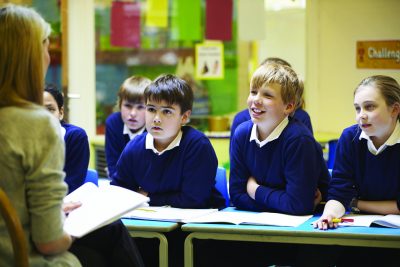
Like most things, education is the fundamental platform that ensures a sturdy foundation on which to build. Without it, students will not completely understand why they have to work in the school garden or why they have to travel an extra 20 metres to use the correct bin. The key to improving sustainability at school is achieving buy-in, and the only way to get buy-in or commitment is through educating, inspiring and motivating students (and maybe teachers at times). Begin with the life cycle of consumerism:
- Production
- Sale
- Disposal
Help your pupils understand that there is a solution to the damage we've caused and are causing, and it starts with something small; from there, the compounding impact has the potential to shift the direction of climate change. We understand that this article won't necessarily impact the stimulus that needs to be approved and regulated by the Department of Education, so we'll leave a few convenient links for you to peruse.
Sustainable Resources from the Department of Education
VIC | TAS | NSW | QLD | NT | WA | SA
2. Correct Wastage Solutions
- Compost Bins
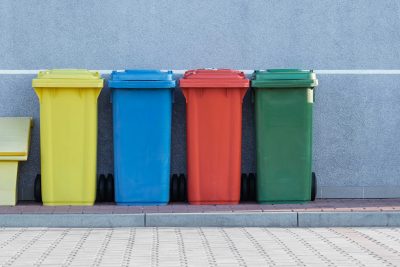
Food decomposes when it rots, producing methane (CH4), a greenhouse gas more powerful than carbon dioxide (CO2). Controlling food waste should be a top priority if we truly want to combat global warming. There are several ways to start composting at school: vermicomposting (worm bins), contributing to a home compost, or collaborating with a local farm that accepts food waste.
- Recycling Bins
Providing recycling bins evenly throughout the school grounds increases convenience for proper waste disposal. Recycling reduces landfill and methane emissions. Pick up a Terracycle Recycling box to recycle supplies not included in council programs. These are ideal for schools, as the cost is shared among all users.
- Regular Waste Bins
Having an adequate number of regular waste bins helps counteract littering and pollution. This should coincide with educating students on proper disposal.
- Donation Bins
Donation bins for materials and miscellaneous products encourage students and teachers to be resourceful and conscious of their environmental impact. Read on for more sustainability ideas for schools!
3. Green Thumb Education
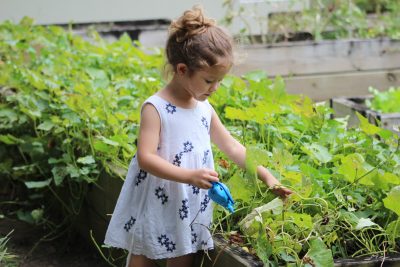
Teaching students through gardening nurtures a foundation for understanding concepts like growth, competition, collaboration, and the cycle of life. School gardens enhance learning academically and emotionally. Beyond gardens, encourage projects supporting local biodiversity: plant native trees, create bird and insect habitats, or monitor local wildlife.
4. Energy Efficiency

Evaluate appliance efficiency and consider digital sustainability. Actions include:
- Turn off lights when not in use
- Shut down appliances after school hours
- Close doors to conserve heat and energy
- Purchase appliances with high energy ratings in the future
- Minimise unnecessary printing and optimise cloud storage
5. Sustainable School Supplies

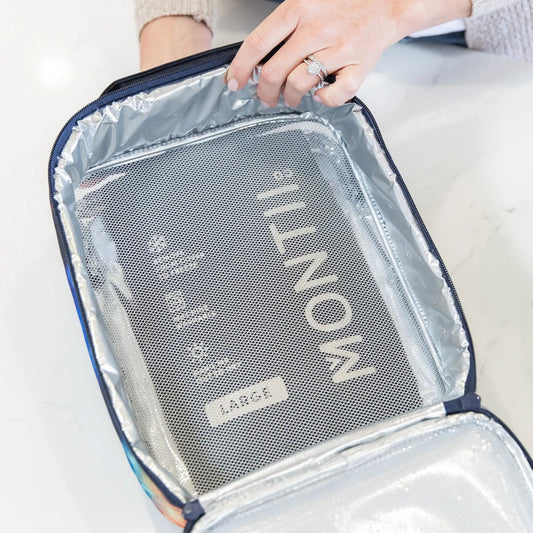
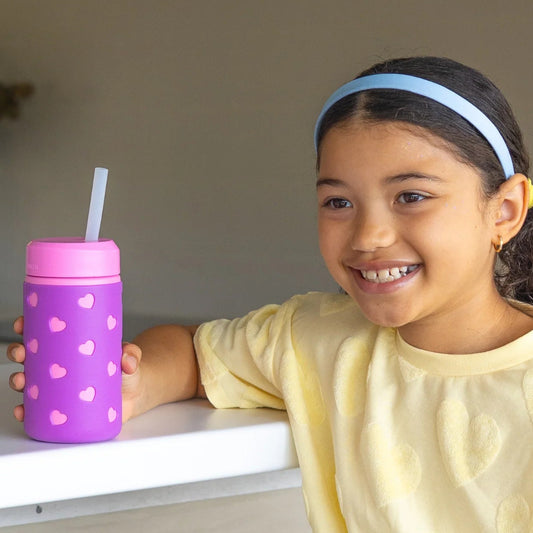
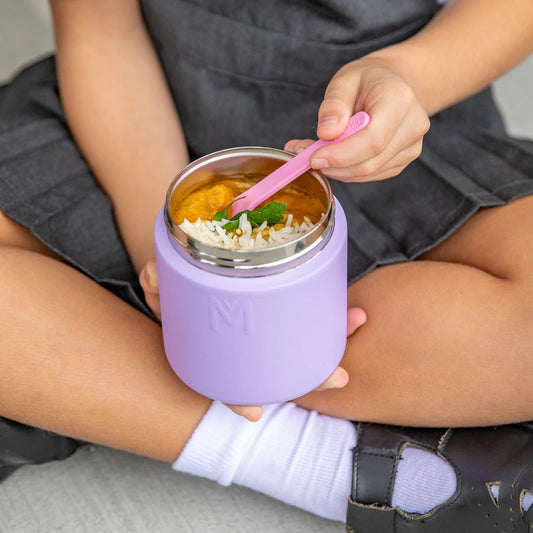
Students go through supplies quickly each year. Choose sustainable alternatives from Our Sustainable School Supplies Collection, rigorously tested for minimal environmental impact.
6. Get Funding - Sustainable School Grants
Some initiatives need funding. Ceres School of Nature and Climate lists grants, sponsorships, competitions, awards, and funds available for schools.
7. Optimise and Reduce CO2 Travel

Use school buses to reduce CO2 emissions from private vehicles. While parents may prefer dropping kids off, convenient alternatives usually lead to a more sustainable outcome.
8. Improving Water Wastage

- Replace Appliances with more water-efficient models. Check ratings here.
- Install Aerators to reduce water output while maintaining pressure.
- Identify Leaks to prevent waste and structural damage.
- Recycle Water with rainwater tanks.
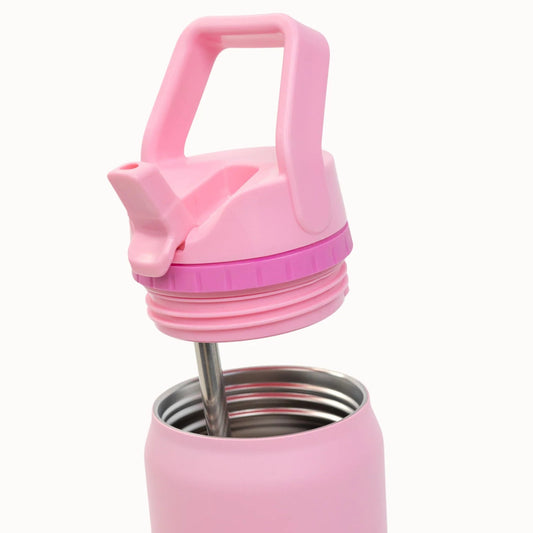
- Educate Students on saving water and using reusable bottles. See options here.
- Raise Awareness to maintain momentum.
9. Transition to Zero Waste for School Events
Reduce waste at school events by:
- Buying accurate food quantities
- Using only biodegradable products
- Ordering in bulk to reduce emissions and packaging
- Selling pre-loved items or slow fashion
- Implementing ‘See rubbish, pick it up’ and ‘Take nothing but photos’ rules on excursions
10. Get Involved!
Participate in community events like Earth Hour, tree planting, and clean-ups. Every small action helps move towards a cleaner future.
The First Step of Moving Towards Sustainability at Your School
You've completed the first step by researching sustainability ideas. The next step is starting conversations with your principal or board. Keep the momentum going: start with education, attain buy-in and funding, and create real change.
Related Reads at Biome
- 10 Eco Friendly Back To School Tips
- Packing a Waste Free LunchBox Customer Tips
- Every School LunchBox Dilemma Solved For You
- How To Put Together a Plastic Free Lunchbox
- How to Pack a Nude Food Zero Waste Lunch
- How To Choose The Best Thermos or Insulated Food Jar