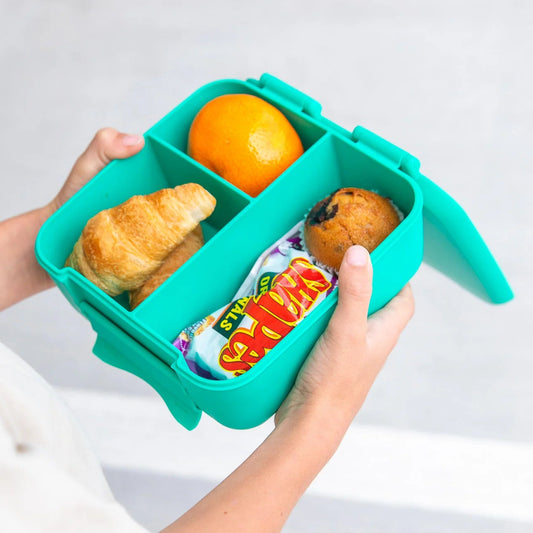






Over the years at Biome, our customers have kindly shared many great ideas when it comes to reducing waste in school lunch boxes. As we approach the start of a new term, it seemed like a good idea to revisit some of these tips from Biome parent's across Australia. Here we share how our customers stay on top of packing a waste free lunch box each week, staying organised, healthy and zero waste.
A waste free lunch box not only reduces the amount of plastic and rubbish going to landfill each week, it also helps children build lifelong habits around sustainability, food awareness and caring for the planet. Small changes, repeated daily, can have a big impact over the course of a school year.
1. Have a plan!
Many people have sung the praises of starting the week with a meal plan or developing a tried and tested formula for every lunch. Working on your lunch plan at the same time as your weekly dinner plan means you can utilise leftovers, saving money, time and waste. A formula or template also takes the stress out of making lunches that are healthy and satisfying, but still offer variety.
When planning lunches, it’s also important to consider your school’s rules around allergies, heating and packaging. Nut-free baking, insulated food jars and sturdy leak-proof containers can make it much easier to comply without relying on disposable packaging.
Some simple lunch ideas:
- Sandwich, wrap or pasta
- Fruit or vegetable sticks
- Yoghurt or sweet home bakes from the freezer
- Savoury dry snack or home bake.
- Something extra if they want: egg, cheese, dip
These can be easily adapted for different ages, appetites and school rules.
Click here to learn how you can earn a free Back to School inspired recipe book, featuring recipes by some of the industry's leading recipe creators.
2. Bulk up
You've got your plan for a week's worth of delicious, healthy lunches, now you need the ingredients. Avoid individually packaged items and buy in bulk, storing in airtight containers. This will save you money in the long run, and once again avoids excess packaging and rubbish.
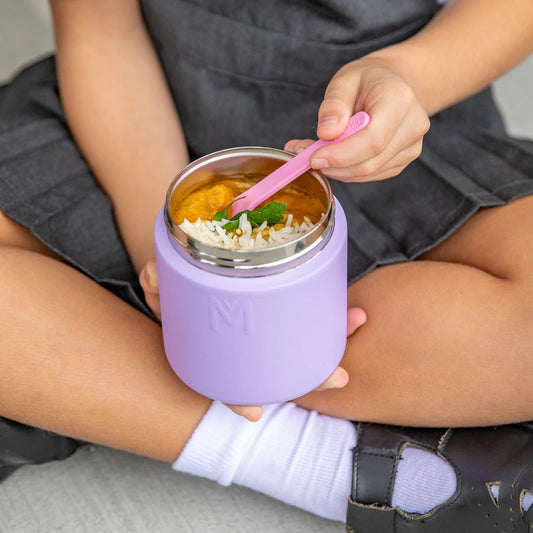
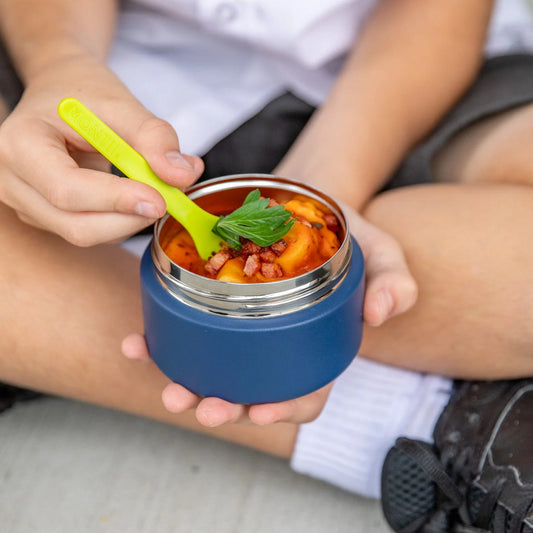
You can also make recipes in bulk, like popcorn or slices, or a week's worth of smoothies can whizzed up in no time and stored in refillable squeeze pouches. Likewise, leftover soups or stews can be sent to school in an insulated food thermos.
3. Make friends with your freezer
One of the most popular lunch box ideas we hear from customers is to home bake and freeze. Kids love a variety of snack-sized goodies and you can pack a lot of nutrition into small things that make lunch more interesting and fun.
Buy ingredients in bulk (see above!) and set aside a weekend afternoon for cooking and baking. Involving children in choosing recipes, baking, and packing their lunch box helps reduce food waste and increases the chance everything comes home eaten.
Here are some ideas for bake and freeze options:
- Pikelets and scones
- Wholesome veggie muffins,
- Eggless banana choc chip muffins
- Homemade, gluten free museli bars
- Vegetable fritters or patties
- Vegemite/pizza scrolls
- Banana bread
- Zucchini slice
- Apricot logs
- Date loaf
- Arancini rice balls
- Pizza on wholemeal base
Storage Tip: Most baked goods, wraps and sandwiches freeze well for up to 2–3 months when stored in airtight containers. Clearly labelling containers with dates can help you rotate items and avoid food waste.
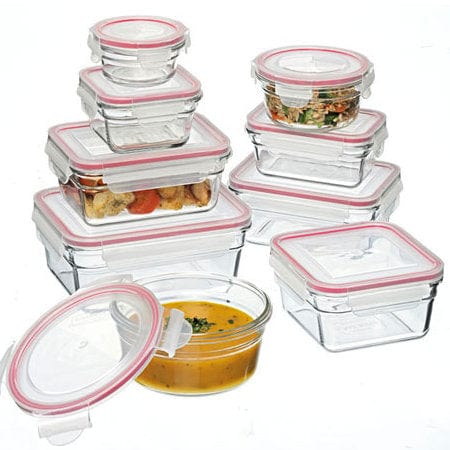
Freeze your goodies in airtight, reusable containers directly after baking and you can eliminate the need for disposable freezer bags and sheets, saving you money and waste. This Glasslock Container 10 Piece Set is a great option, particularly for those wanting to cut down on plastic usage. You can also freeze sandwiches individually using reusable sandwich wraps. Depending on the time of year, you may need to take baked goods out to defrost the night before, which brings us to our next point...
4. Do as much as you can the night before
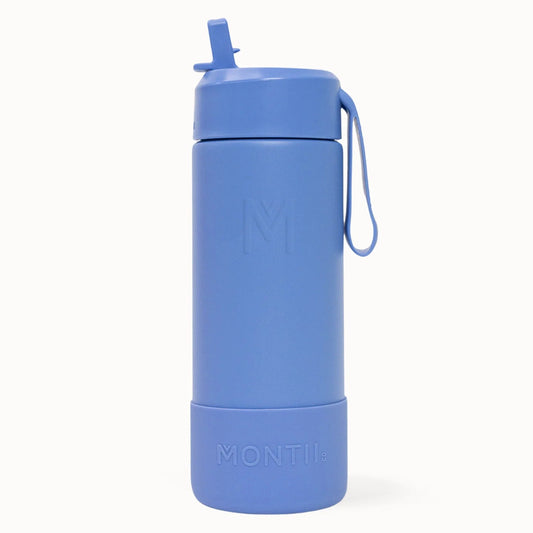
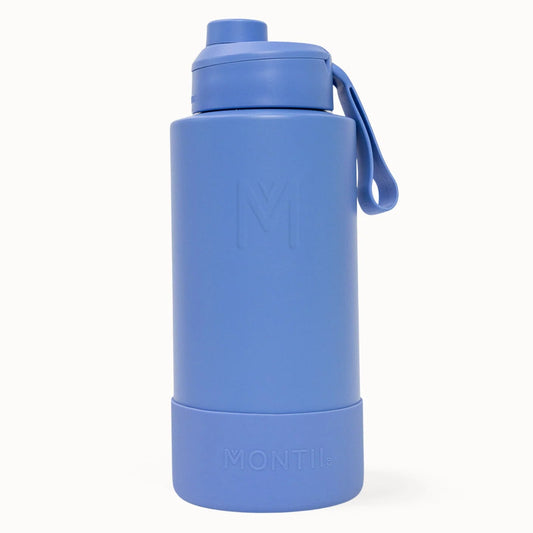
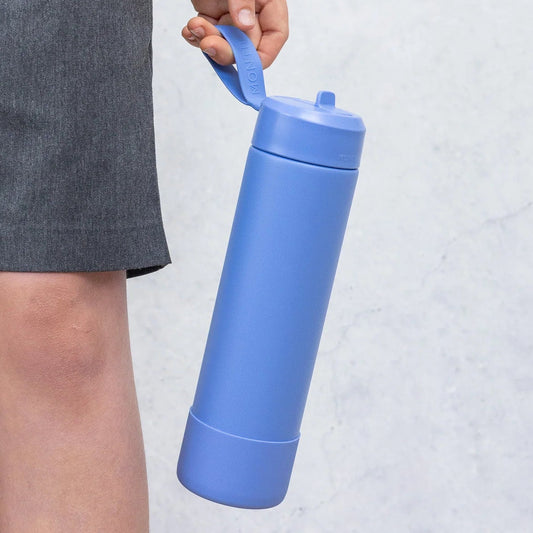
5. Don't forget water
6. Last but not least...
Biome offers Australia’s widest range of safe, non-toxic, waste-free lunch box solutions to suit different ages, appetites and school needs.