





First published in 2019 and updated in 2026 to reflect new ingredient insights and product options for sensitive skin.

We feel your frustration of trying to find something that doesn’t hurt. Switching to natural deodorant can feel simple at first — until your skin reacts.
If this sounds familiar, you’re not imagining it. You’re one of many people dealing with sensitive underarm skin.
Redness, itching, or discomfort is one of the most common reasons natural deodorant gets put back in the drawer. But in most cases, it is not that natural deodorant does not work — it is that the formula is not suited to sensitive skin.
Quick answer: what is the best natural deodorant for sensitive skin?
The best natural deodorant for sensitive skin is one that is pH balanced, bicarb free and aluminium free. It should avoid high levels of baking soda, use gentle skin-supportive ingredients, and focus on odour control rather than blocking sweat — like the Biome Natural Deodorant Cream Unscented.
A well-formulated natural deodorant cream is often one of the most reliable options for sensitive underarms, especially for daily use in warmer Australian climates.
Whether it is a conventional antiperspirant or something more natural, many formulas still contain known triggers like parfum, aluminium, harsh preservatives, bicarb, alcohol and strong essential oils.
This guide breaks down what sensitive skin actually means, which deodorant ingredients are most likely to cause irritation, and what to look for instead.
Best natural deodorant for sensitive skin (Australia)
If you’re looking for a natural deodorant that actually works without irritating your skin, one of the best options available in Australia is Biome Natural Deodorant Cream Unscented.
Why this is our top pick: it’s designed to solve the two most common problems with natural deodorant — irritation and ineffectiveness — while still feeling comfortable on sensitive skin.


Biome Natural Deodorant Cream Unscented
Made in Brisbane and packaged plastic-free — designed for sensitive skin.
Best for: sensitive skin, bicarb sensitivity, fragrance sensitivity, natural deodorant rash, and everyday wear in warm or humid climates.
Why it stands out: a pH-balanced, bicarb-free cream that helps neutralise odour without relying on common irritation triggers.
- Bicarb free — avoids one of the most common causes of natural deodorant rash
- Alcohol free — less likely to sting or irritate sensitive underarm skin
- Aluminium free — allows your body to sweat naturally without blocking pores
- pH balanced — helps maintain a healthy skin barrier and reduce odour-causing bacteria
- Non-greasy cream-to-powder texture — comfortable to wear and less likely to mark clothing
- Made in Brisbane — locally produced in small batches
- Plastic-free packaging — low-waste and reusable or recyclable
What customers say
“No irritation whatsoever, which is great because post shaving can be a bit sensitive. Also, never need to reapply during the day.”
“I love this deodorant. It works, lasts all day and I get no irritation at all.”
“I’ve tried several natural deodorants so was wary — this is the first one that actually works and doesn’t irritate.”
“Finally found a natural deodorant that doesn't irritate and actually works. Smooth texture, easy to apply, and worked immediately.”
“Best natural deodorant I’ve found — easy to apply, no waste, reusable packaging, and it actually works.”
Each ingredient in Biome’s natural deodorant cream has a purpose — nothing unnecessary or overly harsh. Magnesium hydroxide and zinc oxide help neutralise odour while remaining gentle on the skin. Arrowroot, cornstarch and diatomaceous earth absorb moisture, while plant butters and oils support the skin barrier and create a smooth, easy-to-apply texture.
The result is a deodorant that feels comfortable on sensitive skin, works consistently throughout the day, and helps avoid the cycle of irritation many experience when switching to natural options.
Why do some natural deodorants cause irritation?
Natural deodorants work differently to conventional antiperspirants. Instead of blocking sweat with aluminium salts, they allow your body to perspire while using ingredients to neutralise odour. That shift alone is not usually the problem — irritation tends to come down to specific ingredients, friction, or over-application.
The most common triggers
- Baking soda / bicarb — highly alkaline and can disrupt skin pH
- Essential oils — especially citrus, tea tree, peppermint, and strong blends
- Friction — from sticks, shaving, tight clothing, or applying too much
- Switching phase sensitivity — especially when moving away from antiperspirant
If your skin feels sore or reactive — or your deodorant just isn’t working as expected — it’s usually a sign to simplify the formula rather than stop using natural deodorant altogether.
If you’re currently dealing with irritation, read our guide on how to avoid natural deodorant rash , or explore common natural deodorant problems and how to fix them.
What does sensitive skin from deodorant actually look like?
Sensitive underarm skin can show up in different ways — sometimes mild and ongoing, or suddenly after trying a new product.
- Redness or irritation
- Stinging, burning, or itching
- Dry, rough, or flaky skin
- A rash that worsens over time
- Discomfort after shaving or sweating
This usually means the skin barrier is compromised, so even “gentle” products can irritate.
Common reactions
Allergic reactions
Hives, swelling, itching beyond the underarm, or flaky skin — often linked to fragrance, preservatives, or ingredients like propolis or beeswax.
Contact dermatitis
Dry, cracked skin, burning, and a worsening rash — typically builds with repeated exposure.
Eczema-prone or reactive skin
More sensitive to heat, sweat, and friction. Shaving can weaken the barrier, and the underarm area is naturally more prone to irritation.
Any of the irritants below may be the cause — and don’t forget to check the soap or body wash you use under your arms too.
Which deodorant ingredients can cause irritation?
Whether a deodorant is labelled natural or conventional, irritation usually comes down to the ingredients inside it. Conventional formulas often rely on synthetic fragrance, aluminium compounds, and harsh additives for scent, sweat-blocking or shelf life — all of which can be too much for sensitive underarm skin.

- Baking soda / sodium bicarbonate — highly alkaline and a common cause of natural deodorant rash
- Fragrance / parfum — a major trigger for redness, itching and allergic reactions
- Essential oils — especially citrus, peppermint, lavender and tea tree
- Aluminium compounds — used to block sweat, can sting or irritate (especially after shaving)
- Alcohol — drying and can cause stinging
- Propylene glycol — can be sensitising when the skin barrier is compromised
- Petroleum-derived waxes / paraffin — may trap heat, sweat and bacteria
- Silicones (e.g. dimethicone) — can trap sweat and irritants against the skin
- Strong preservatives or synthetic additives — may trigger irritation or dermatitis
- Botanical extracts, propolis or beeswax — natural ingredients can still cause reactions
Reducing these is often the simplest place to start.
Some natural deodorants can feel a little strong if they use higher levels of bicarb, essential oils or more complex blends. If your skin is sensitive, a simpler, gentler formula is often the best place to start.
Note: bicarb can be very effective and some people have no issues with it. But if you have sensitive skin or have experienced natural deodorant rash before, a bicarb-free formula is usually the better place to start.
What should you look for in a natural deodorant for sensitive skin?
Choosing the right formula makes all the difference. For sensitive underarms, start simple and give your skin time to adjust.
- Low or no baking soda — often better tolerated by sensitive skin
- Minimal ingredients — fewer potential irritants
- Soothing base ingredients — magnesium, zinc, clays, and plant oils
- Fragrance-free or very low scent — essential oils can be a hidden trigger
- Breathable formula — supports odour control without trapping heat or sweat
Look for ingredients like magnesium hydroxide and zinc oxide to neutralise odour, arrowroot, tapioca starch, cornstarch or kaolin clay to absorb moisture, and plant butters or oils (such as cocoa, shea or mango) to reduce friction and support the skin barrier. Alcohol-free witch hazel can also offer a mild drying effect without the sting of alcohol.
The goal isn’t to stop sweating, but to support your skin while keeping odour under control.
What are the best natural deodorants for sensitive skin in Australia?
Aside from our top choice above: Biome Natural Deodorant Cream Unscented
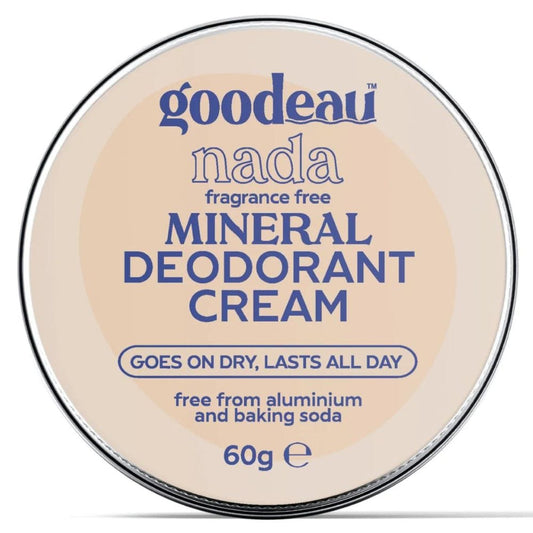
These are some of the other best natural deodorants for sensitive skin in Australia, chosen for their gentle formulations, bicarb-free options, and consistent performance in real-world use.
At Biome, we’ve curated effective options that are bicarb-free, magnesium-based, unscented or gently scented, and made without the usual irritation triggers. Several also include real customer reviews, so you can hear how they have worked for others.

Black Chicken Barrier Booster for Sensitive Skin
Best for: sensitive underarms needing a stronger paste-style option.
Why it stands out: magnesium-based, bicarb-free, with diatomaceous earth and barrier-supporting ingredients to help calm irritation.
Good + Clean Deodorant Crème Unscented
Best for: fragrance-sensitive skin.
Why it stands out: vegan, bicarb-free cream-to-powder formula with moisturising plant butters and no essential oils.
Noosa Basics Bi-carb Free Roll-On Deodorant
Best for: those who prefer a roll-on instead of a paste.
Why it stands out: a smooth liquid alternative free from aluminium, bicarb, and alcohol.
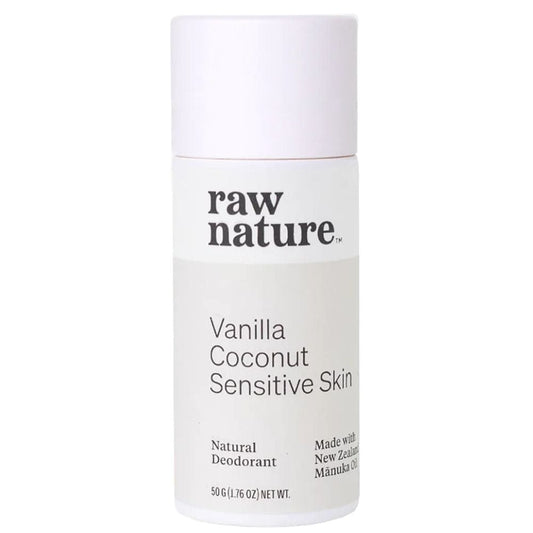
Raw Nature Deodorant Stick – Vanilla & Coconut Sensitive Skin
Best for: sensitive skin that prefers a stick format.
Why it stands out: a gentle stick with magnesium and kaolin clay instead of bicarb.
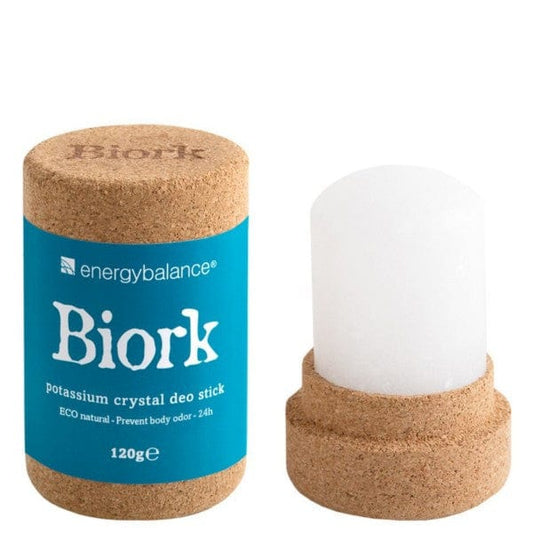
Biork Plastic Free Potassium Crystal Deodorant Stick
Best for: zero-waste and fragrance-free routines.
Why it stands out: long-lasting mineral salt deodorant in a plastic-free cork case.
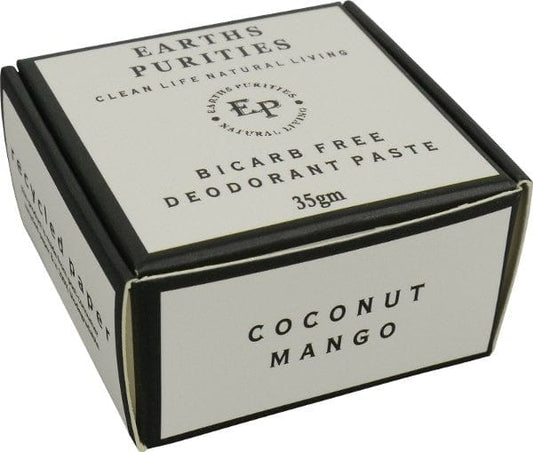
Earths Purities Bicarb Free Deodorant Paste – Coconut & Mango
Best for: gently scented bicarb-free paste lovers.
Why it stands out: clay-based and lightly scented with natural fruit extracts for low-irritant freshness.
Natural deodorant for sensitive skin FAQs
Should you avoid baking soda in natural deodorant?
If you have sensitive underarms or have experienced irritation before, a bicarb-free deodorant is usually the better place to start. Baking soda can be effective, but its high pH can disrupt the skin’s natural balance and lead to redness, dryness, or rash.
Does aluminium-free deodorant work?
Yes — it just works differently to antiperspirant. Instead of blocking sweat, it helps neutralise odour-causing bacteria and absorb moisture after sweating. Ingredients like magnesium, zinc, and clays play a key role.
How long does it take for natural deodorant to work?
There can be a short adjustment period when moving away from conventional antiperspirants. You may notice more sweat or stronger odour at first, but this usually settles within 1 to 2 weeks. Choosing a gentle, well-formulated deodorant during this phase can make a noticeable difference.
Does natural deodorant actually work?
Yes — but the formula matters. Natural deodorants don’t stop sweat. Instead, they neutralise odour, absorb moisture, and support the skin’s natural balance. If it’s not working for you, it’s usually a formula or application issue rather than the concept itself.
Why does natural deodorant stop working?
This is often due to using the wrong formula, applying too much, applying to damp skin, or changes in temperature and activity levels. It doesn’t usually mean natural deodorant doesn’t work — just that something needs adjusting.
How do you remove yellow armpit stains from clothes?
Yellow stains are often caused by a mix of sweat, body oils, and deodorant residue building up over time. Oxygen bleach can help lift stains and freshen fabric without chlorine bleach.
What is the simplest way to start with natural deodorant?
Start with a gentle, bicarb-free and alcohol-free formula. Apply a small amount to clean, dry skin and avoid applying straight after shaving if your skin is reactive. Adjust as needed — a comfortable, well-formulated option is often all it takes.
Related Reads
Best natural deodorants in Australia and how to choose one that works
Homemade Deodorant in 10 Minutes
How to avoid natural deodorant rash